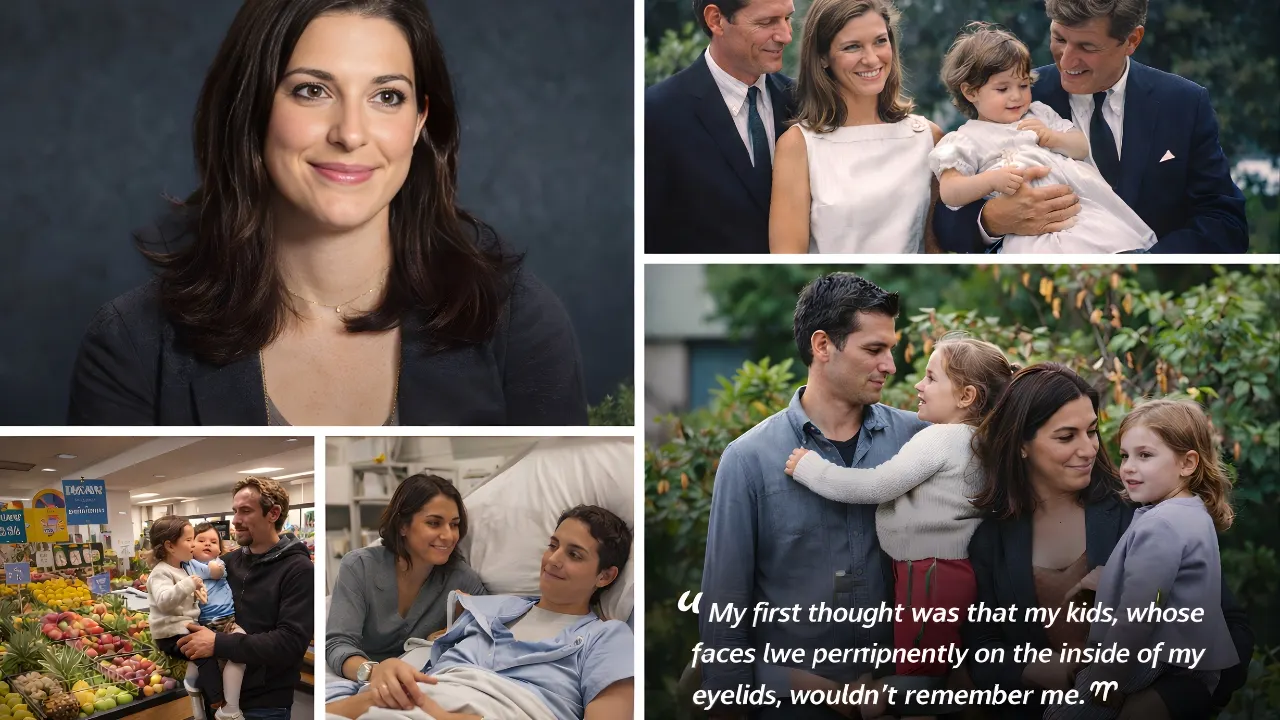
Tatiana Schlossberg, an accomplished environmental journalist and granddaughter of former U.S. President John F. Kennedy, has tragically passed away at the age of 35 following a courageous battle with a rare and aggressive form of leukemia. Her death has drawn widespread attention and deep sorrow from family, friends, and readers around the world.
Schlossberg was known for her insightful environmental reporting, her book Inconspicuous Consumption, and her powerful essays that connected climate issues with everyday life. She worked with major outlets including The New York Times, The Atlantic, The Washington Post, and Vanity Fair.
Her death was confirmed by the John F. Kennedy Presidential Library and Museum in a family announcement shared on social media. “Our beautiful Tatiana passed away this morning. She will always be in our hearts,” the statement read.

Tatiana Schlossberg and Her Legacy
| Aspect | Details |
|---|---|
| Full Name | Tatiana Celia Kennedy Schlossberg |
| Age at Death | 35 (December 30, 2025) |
| Cause of Death | Acute myeloid leukemia (rare mutation) |
| Parents | Caroline Kennedy and Edwin Schlossberg |
| Children | Two young children |
| Profession | Environmental journalist and author |
| Notable Works | Inconspicuous Consumption |
| Last Public Writing | Essay in The New Yorker revealing her diagnosis |
What Happened: Her Battle With Leukemia
Tatiana Schlossberg was diagnosed with acute myeloid leukemia in May 2024, shortly after the birth of her second child, when routine bloodwork revealed dangerously high white blood cell counts. Tests showed her cancer had a rare mutation, known to be aggressive and difficult to treat.
In November 2025, Tatiana shared a deeply personal essay in The New Yorker titled A Battle With My Blood, where she revealed the diagnosis, detailed her treatment journey, and described its impact on her family. She underwent rounds of chemotherapy, two stem cell transplants (one from her sister), and participated in clinical trials, but the disease remained relentless.
“My first thought was that my kids, whose faces live permanently on the inside of my eyelids, wouldn’t remember me,” she wrote, expressing her deep concern about leaving her young children behind.

Despite her struggle, she remained committed to her family and her work, continuing to write and advocate for environmental issues.
Her Life and Career
Tatiana Schlossberg was a daughter of Caroline Kennedy, former U.S. ambassador to Australia and daughter of President John F. Kennedy, and Edwin Schlossberg, an artist and designer. She grew up in a family deeply rooted in public service and cultural influence.
She graduated from Yale University and earned a master’s degree from the University of Oxford, later establishing herself as a respected journalist focusing on environmental and climate topics. Her 2019 book Inconspicuous Consumption explored the environmental impact of everyday choices and earned critical praise.

Throughout her career, she contributed to prestigious media outlets and used her platform to educate and engage readers on complex issues related to climate change, sustainability, and science.
Reactions and Remembrances
Following the announcement of her death, tributes poured in from public figures and peers who admired her courage and contributions.
Maria Shriver, a member of the extended Kennedy family, praised Caroline Kennedy’s strength in supporting her daughter through her illness, calling her “a rock” in the face of an unimaginable loss.

Her family, including her husband George Moran and their two young children, survive her, as do her siblings and parents. The family continues to mourn privately amid widespread public grief.
Tatiana Schlossberg’s Final Months
In her final public writings, Schlossberg spoke candidly about both her fear and her determination to focus on meaningful moments with her family. Her reflections resonated with many readers who saw in her story both vulnerability and resilience.
“Mostly, I try to live and be with them now,” she described, conveying her commitment to cherishing time with loved ones during her illness.

Understanding Acute Myeloid Leukemia
Acute myeloid leukemia (AML) is a rapid‑onset cancer of the blood and bone marrow that affects the body’s ability to produce healthy blood cells. The rare mutation identified in Schlossberg’s case is typically seen in older adults and is associated with aggressive disease and poor prognosis without highly specialized treatment.
Treatment options such as chemotherapy, stem cell transplants, and experimental therapies like CAR‑T are often pursued, especially in younger patients, but long‑term survival can remain limited with certain mutations, as Schlossberg’s doctors conveyed.
Legacy and Impact
Tatiana Schlossberg’s life and work exemplified a deep commitment to environmental awareness, thoughtful journalism, and public engagement. She used her voice to shed light on complex global challenges and her personal experiences to connect with readers on deeply human concerns.

Her passing at just 35 adds a tragic chapter to the Kennedy family’s history, which has seen numerous untimely deaths across generations.
While her time was short, her contributions to journalism and her courage in sharing her story have left a lasting imprint.
Frequently Asked Questions
Tatiana Schlossberg died from complications related to acute myeloid leukemia, a rare and aggressive blood cancer she was diagnosed with in 2024.

She publicly shared her terminal diagnosis in an essay published in The New Yorker in November 2025.
She was an environmental journalist and author, known for her work with major publications and her environmental book Inconspicuous Consumption.
She is survived by her husband George Moran, their two young children, her parents Caroline Kennedy and Edwin Schlossberg, and her siblings.

She is remembered for her impactful journalism, her environmental advocacy, and her courage in sharing her personal journey with illness and family.












Leave a Comment