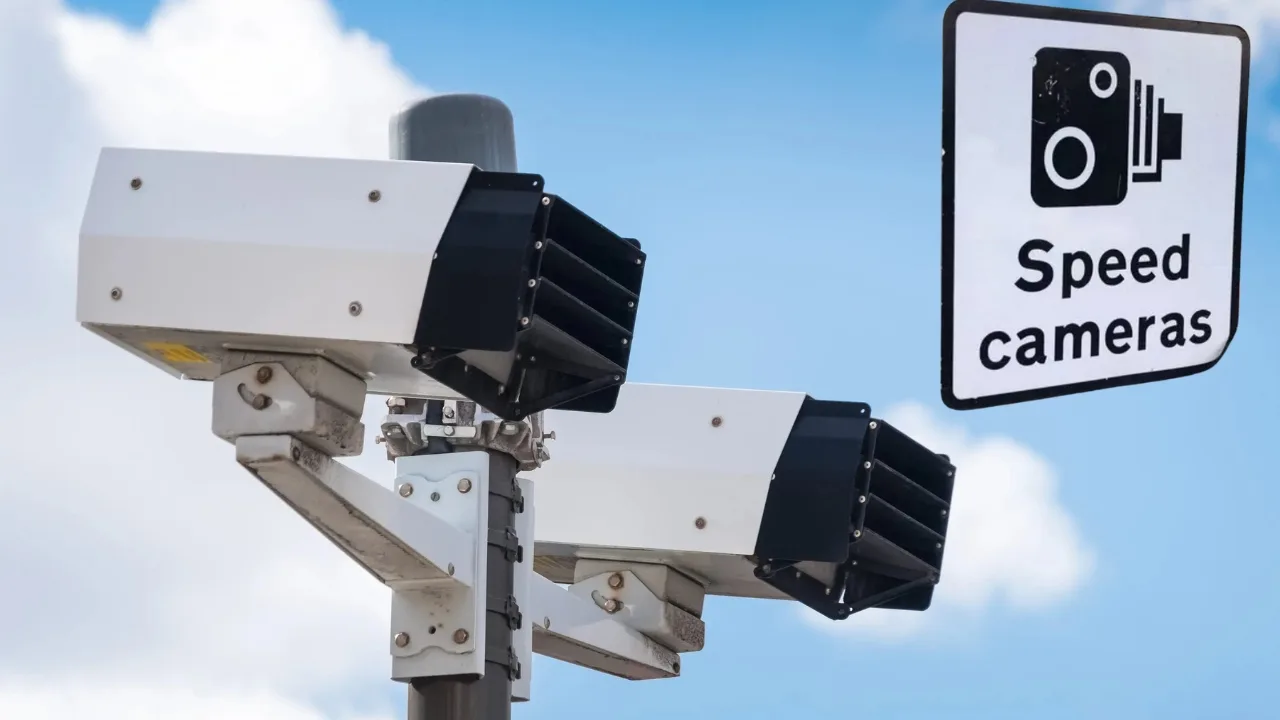
Drivers across Australia are facing a significant overhaul of speed camera fines and traffic penalties in 2026, as part of broader road safety reforms introduced by state and federal authorities. Following a year of persistently high road tolls and the rollout of AI-assisted enforcement cameras, governments have moved to boost penalties for speeding and other offences to discourage dangerous driving. From January 1, 2026, various jurisdictions began applying higher fines and increased demerit points for speed camera detections, with the changes set to become even more pronounced when additional camera networks come online later in the year.
Road safety experts argue that speed cameras and higher penalties are essential for reducing injury and fatality rates, while some motorists express concerns about the financial impact of steeper fines. The 2026 increases reflect a broader policy shift toward stronger enforcement and deterrence, especially given evidence that automated cameras can reduce speeds and crashes when combined with robust penalty frameworks.
Why Fines Are Increasing?
Authorities across several Australian states have cited rising road trauma figures and enforcement technology upgrades as core reasons for increasing speed camera fines and penalties. Key factors driving change include:

- New enforcement hardware such as average speed and AI‑assisted cameras that can detect more types of offences.
- Policy reforms that update penalty units or fine amounts to reflect inflationary pressures and the severity of road safety outcomes.
- A push to standardise and strengthen deterrence, especially in high‑risk zones such as school areas and built‑up corridors.
Many of the 2026 changes originate from reforms that began in mid‑2025, including updated penalty units that flow into adjusted fine amounts and the expansion of camera enforcement networks.
Key Changes to Speeding Fines in 2026
While exact fine amounts vary by state and type of camera or offence, the general pattern for 2026 includes higher monetary penalties and more demerit points for speeding captured by automated cameras. Many governments have also aligned fine increases with changes in scheduled penalty units that took effect from mid‑2025 onward, continuing into 2026.
Standard Speed Camera Fines (2026 Overview)
| Speed Over Limit | Approx. Fine Increase | Demerit Points (Typical) | Notes |
|---|---|---|---|
| Up to 10 km/h fast | Up ~3.5% or more | 1 point | Minor breach fine increases in states like QLD. |
| 11–20 km/h over | Moderate fine rise | 3–4 points | Reflects stronger enforcement, often via average speed cameras. |
| 21–30 km/h over | Higher fine increases | 4–5 points | Targeted by AI camera systems and traditional photo enforcement. |
| >30 km/h over | Largest fines & points | 6+ points | Can exceed several thousand dollars in some zones. |
Examples of Specific Penalty Trends:

- Some speed cameras tied to AI enforcement may issue fines of more than $3,300 plus multiple demerit points for severe speeding.
- Traditional radar/point cameras continue with tiered fines that rise with the severity of the offence.
Note: These figures represent typical ranges based on the latest regulatory trends and state policies. Motorists should check official road safety or transport department sites for precise fine schedules in their state.
What Happens If You Get Fined?
When a speed camera detects an offence, the registered owner of the vehicle is typically issued a penalty notice, which will include:
- The fine amount based on the speed over the limit.
- Demerit points attached to the driver’s licence.
- Administration or processing fees appointed by the issuing authority.
Failure to pay or respond to a penalty notice can result in infringement escalation, potential licence suspension, and additional late fees.

Why These Increases Are Controversial?
Supporters of the tougher fines emphasize road safety benefits, arguing that higher penalties combined with better enforcement technology deter risky driving behavior and reduce crashes. Research on speed camera effectiveness shows that automated enforcement can meaningfully reduce speed and crash severity when properly implemented.
Opponents, including some motoring groups, argue that substantial fine increases can disproportionately impact lower‑income drivers and may not always correlate with improved safety outcomes if not paired with education and clear signage.
State‑by‑State Variations
While the general trend is toward higher penalties, specific fine amounts and demerit point structures differ by state or territory. Some jurisdictions have chosen to:

- Introduce average speed cameras that calculate speed over several kilometres rather than at a single fixed point.
- Use AI cameras to enforce multiple offences, not just speeding.
- Implement location‑specific fines in high‑risk zones like school precincts or construction areas.
These variations mean drivers need to be familiar with the rules in the states where they drive.
Tips for Drivers in 2026
To avoid fines and penalties under the new 2026 speed camera regime:
Safe Driving Strategies
- Stay within posted speed limits, especially in areas monitored by cameras.
- Drive attentively in school and work zones, where penalties can be higher.
- Watch for average speed camera signs, then maintain a legal speed over the full zone.
- Check your licence status regularly to monitor accumulated demerit points.
Staying informed about local road rules and enforcement technologies is key to avoiding costly infringements in 2026.

Conclusion: A Clear Message to Drivers
The 2026 increases in speed camera fines signal a stronger enforcement philosophy across Australia’s road safety landscape. With higher monetary penalties, more demerit points, and advanced camera technology, authorities are aiming to reduce speeding and crashes while encouraging safer driving habits.
Drivers should view the changes as both a legal requirement and a reminder of the importance of road safety. By understanding and adapting to the new fine structures, motorists can help make roads safer for all users while avoiding costly penalties.
FAQs
No. Fines and demerit points vary by state and territory, though the trend in 2026 is toward higher penalties across all jurisdictions.
Many changes began on January 1, 2026, with further adjustments tied to broader enforcement rollouts throughout the year.
Yes. Most states allow motorists to contest fines through formal processes if they believe the notice was issued in error.
Yes. Along with higher fines, many speeding offences now carry more demerit points, which can affect licence status.

Yes. Any driver caught speeding by enforcement cameras in Australia including visitors must comply with local fines and penalty procedures.










Leave a Comment