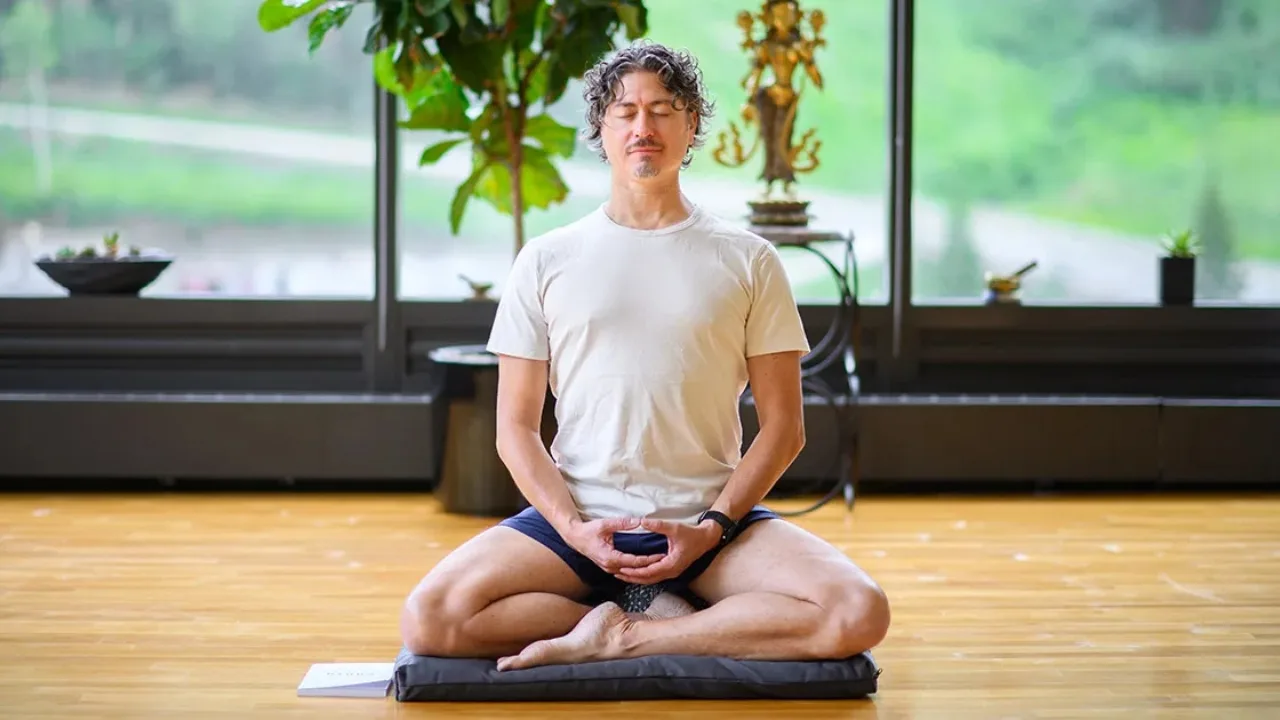
A growing number of yoga studios, healthcare providers, and workplace wellness programs across the United States are embracing breath-driven yoga, a practice that places conscious breathing at the center of every movement. In 2026, this approach is moving from niche yoga communities into mainstream wellness settings, driven by rising stress levels, burnout concerns, and growing evidence linking breath control to physical and mental health.
Breath-driven yoga emphasizes slow, intentional movement guided by steady breathing rather than speed or intensity. Practitioners coordinate each transition, pose, and hold with inhalation and exhalation, creating a rhythm that supports calm focus while building strength. Supporters say the method helps people manage anxiety, improve posture, and develop functional strength without overloading the body.
As demand for accessible and evidence-informed wellness practices grows, breath-driven yoga is increasingly being recommended by clinicians, physical therapists, and mental health professionals as a low-risk way to support both physical conditioning and emotional regulation.

Why Breath-Focused Practices Are Gaining Attention?
Interest in breath-based movement practices has risen sharply in recent years. Surveys conducted by the National Center for Complementary and Integrative Health show that more Americans are turning to mind-body approaches to manage stress, sleep problems, and chronic pain.
At the same time, rates of stress-related conditions have climbed. Data from the Centers for Disease Control and Prevention indicate that anxiety and stress-related symptoms remain elevated among working-age adults, even as pandemic-era disruptions fade.
Traditional exercise programs often emphasize performance metrics such as intensity, speed, or calorie burn. Breath-driven yoga offers a different model. It slows movement, emphasizes awareness, and uses breathing as a stabilizing force.

Dr. Emily Hartwell, a clinical psychologist specializing in stress-related disorders, explained the appeal:
“When breathing and movement are aligned, the nervous system receives consistent signals of safety. That is foundational for reducing chronic stress.”
This shift reflects a broader cultural reevaluation of wellness, one that prioritizes sustainability and nervous system health over constant exertion.

What Is Breath-Driven Yoga?
Breath-driven yoga is not a single branded system. Instead, it describes an approach to practice where breathing determines the pace, depth, and quality of movement. While rooted in traditional yogic principles, the modern interpretation emphasizes accessibility and functional benefit.
Core Principles of Breath-Driven Yoga
| Principle | Description |
|---|---|
| Breath-led movement | Each movement begins and ends with a specific inhale or exhale |
| Slow transitions | Poses are entered and exited gradually |
| Continuous awareness | Attention remains on breath throughout practice |
| Balanced effort | Strength is built without strain |
| Nervous system regulation | Breathing patterns support calm focus |
Unlike fast-paced flow classes, breath-driven sessions often include pauses to reset breathing and alignment. This makes the practice suitable for beginners, older adults, and people recovering from injury.
A senior instructor at a national yoga teacher training program noted:
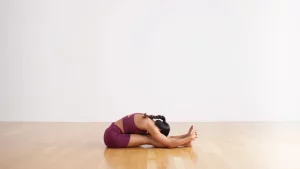
“The breath becomes the teacher. If breathing becomes rushed, the movement slows. That feedback loop keeps people safe.”
How Breath Alignment Builds Calm and Strength?
Breathing patterns directly influence muscle engagement, heart rate, and mental state. Breath-driven yoga uses this connection intentionally.
Physical Effects
- Improved posture through controlled spinal movement
- Greater core engagement supported by steady exhalation
- Reduced muscle tension due to slower transitions
- Increased joint stability through mindful alignment
Mental and Emotional Effects
- Lower stress response through extended exhalation
- Improved focus from rhythmic breathing
- Reduced anxiety by limiting abrupt movement
- Enhanced body awareness and confidence
Dr. Samuel Lee, a physical therapist and movement researcher, explained the mechanism:

“Breath control improves neuromuscular coordination. When breathing is stable, muscles activate more efficiently.”
This approach contrasts with breath-holding or shallow breathing, which can increase tension and fatigue.
Comparison With Other Yoga Styles
Breath-driven yoga differs from more vigorous or performance-oriented styles in several important ways.
Breath-Driven Yoga Compared With Common Yoga Approaches
| Feature | Breath-Driven Yoga | Fast Flow Yoga | Power Yoga |
|---|---|---|---|
| Pace | Slow to moderate | Moderate to fast | Fast |
| Breath focus | Central | Secondary | Often minimal |
| Strength building | Gradual and functional | Moderate | High intensity |
| Stress regulation | Strong emphasis | Moderate | Limited |
| Injury risk | Low | Moderate | Higher |
This comparison helps explain why healthcare professionals increasingly view breath-driven yoga as complementary to rehabilitation and stress management programs.
Expert Insight and Commentary
Medical and wellness experts emphasize that breath-driven yoga aligns well with current understanding of nervous system health.
Dr. Laura Kim, a pulmonologist studying breath regulation, said:

“Slow, controlled breathing activates the parasympathetic nervous system. When movement follows breath, the calming effect is amplified.”
Mental health specialists also see value in the practice for people who struggle with meditation.
“For some patients, stillness increases anxiety. Breath-driven movement offers a more accessible entry point,” said Dr. Hartwell.

Yoga educators caution, however, that instruction quality matters. Poor cueing or rushed transitions can undermine the benefits.
Impact and Implications for Public Health and Wellness
The growing adoption of breath-driven yoga has implications beyond studios. Employers, schools, and healthcare systems are exploring its use as a preventive health tool.
Potential benefits include:
- Reduced workplace stress and burnout
- Improved physical function among sedentary populations
- Lower injury rates compared to high-intensity exercise
- Increased participation among people new to movement practices
Several hospital systems have begun piloting breath-centered yoga classes for patients with chronic pain and anxiety disorders. Early feedback suggests improved adherence compared to traditional exercise programs.
Final Thoughts
As wellness priorities continue to shift in 2026, breath-driven yoga is emerging as a practice that aligns with both scientific understanding and lived experience. By placing breath at the center of movement, it offers a sustainable way to build strength, calm the nervous system, and improve overall well-being.
Experts caution that breath-driven yoga is not a replacement for medical treatment, but many see it as a valuable complement to existing care and fitness routines. As more instructors receive specialized training and more institutions adopt the approach, its presence in mainstream wellness is likely to expand.
For individuals seeking balance rather than burnout, breath-driven yoga reflects a broader movement toward mindful, people-centered health practices.
FAQs
Breath-driven yoga is a style of practice where every movement is guided by inhalation and exhalation, keeping breath as the primary focus.
Unlike faster or pose-focused classes, breath-driven yoga slows transitions and uses breathing to control pace, effort, and alignment.
Beginners, older adults, people with stress or anxiety, and those recovering from injury often benefit because the practice is gentle and controlled.
Yes. Strength develops gradually through sustained engagement, proper alignment, and controlled movement rather than intensity.
Yes. The emphasis on slow breathing supports nervous system regulation and can reduce stress and anxious symptoms.











Leave a Comment