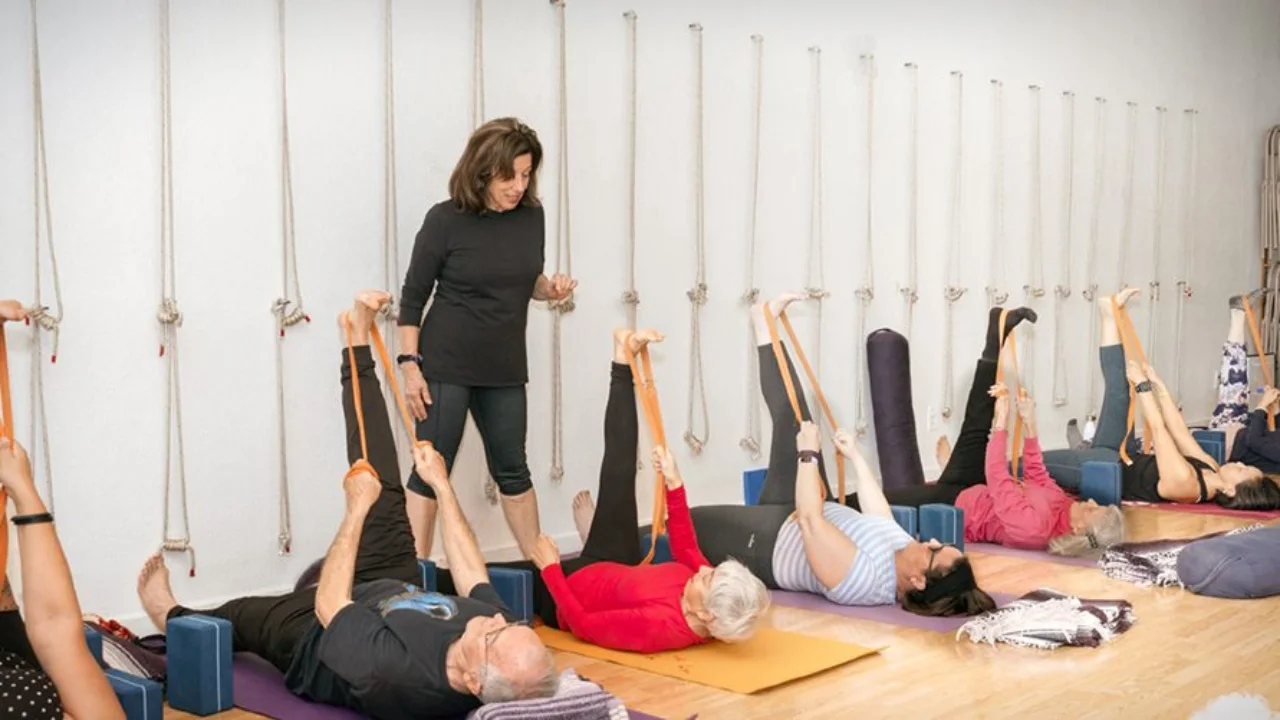
Across the United States, a growing number of older adults, healthcare providers, and fitness professionals are embracing what is increasingly referred to as ageless yoga practice a style of yoga focused on longevity, joint mobility, and sustained vitality rather than performance or intensity. In 2026, this approach is moving firmly into the mainstream as Americans live longer and seek movement practices that support healthy aging.
Ageless yoga emphasizes timeless poses that adapt to changing bodies. The goal is not flexibility for its own sake, but durability: strong joints, steady balance, healthy circulation, and calm breathing. From community centers and senior living facilities to physical therapy clinics, this style of yoga is being promoted as a safe, low-impact way to maintain independence and quality of life.
Health experts say the shift reflects broader demographic realities. As the population ages, there is rising demand for exercise that builds strength without strain and supports long-term mobility rather than short-term fitness goals.

Why Longevity-Focused Yoga Is Gaining Attention?
The United States is undergoing a profound demographic change. According to data from the U.S. Census Bureau, adults aged 65 and older now represent more than 17 percent of the population, a figure expected to rise steadily over the next two decades.
At the same time, chronic conditions linked to inactivity such as joint degeneration, balance loss, and cardiovascular disease remain major contributors to disability. The Centers for Disease Control and Prevention reports that falls remain one of the leading causes of injury among older adults, often resulting in long recovery periods and reduced independence.
Traditional fitness programs, while effective for younger populations, often fail to meet the needs of aging bodies. High-impact exercise can aggravate joints, while overly complex routines discourage long-term adherence. Ageless yoga has emerged as a response to these challenges.

Dr. Karen Morales, a geriatric physician based in California, explained the appeal:
“We are seeing patients who want to stay active but do not want to risk injury. Yoga that emphasizes alignment, breath, and mobility meets that need very well.”
What Defines an Ageless Yoga Practice?
Ageless yoga is not a separate brand or certification. It is an approach that prioritizes sustainability, adaptability, and nervous system health over athletic achievement.
Core Characteristics of Ageless Yoga
| Feature | Description |
|---|---|
| Joint-friendly movement | Avoids impact and extreme ranges |
| Breath-led pacing | Movement follows steady breathing |
| Emphasis on balance | Reduces fall risk |
| Functional strength | Supports daily activities |
| Modifications encouraged | Props and chairs widely used |
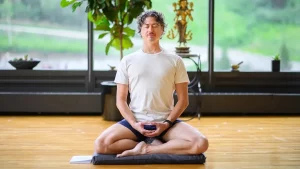
Classes often include standing poses for strength and balance, seated poses for mobility, and restorative poses for recovery. Importantly, practitioners are encouraged to listen to their bodies rather than push through discomfort.
A senior yoga educator involved in teacher training programs noted:
“Ageless yoga is about building confidence in movement. When people feel safe, they keep coming back.”

Timeless Yoga Poses That Support Longevity
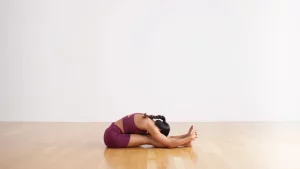
Certain yoga poses have stood the test of time because they support multiple systems of the body without excessive strain. In ageless yoga practice, these poses are often adapted with props or shortened holds.
Commonly Used Poses in Ageless Yoga
| Pose Type | Primary Benefit |
|---|---|
| Mountain Pose | Posture and balance awareness |
| Chair Pose (supported) | Leg strength and joint stability |
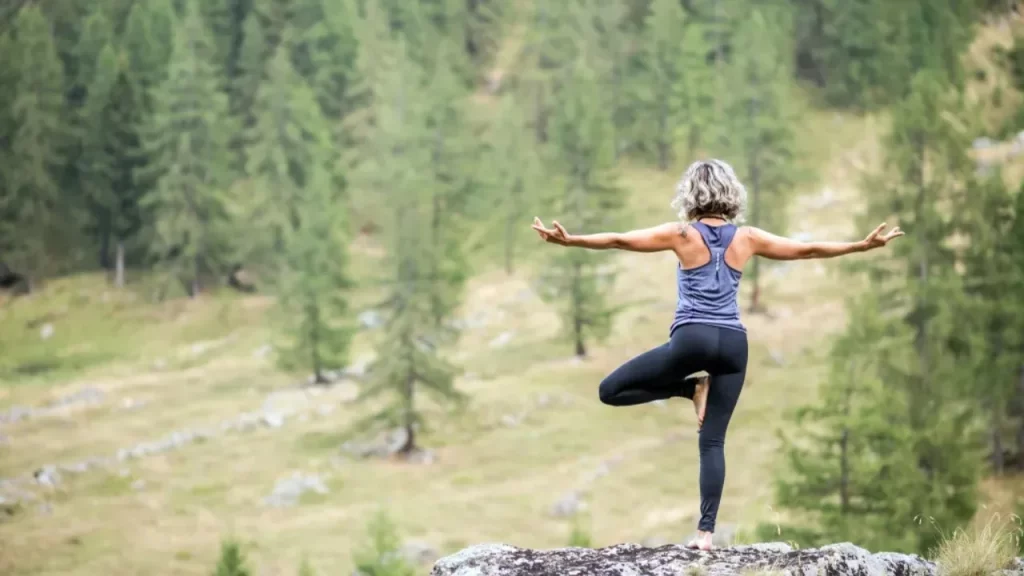
| Tree Pose (with support) | Balance and coordination |
| Seated Twist | Spinal mobility and digestion |
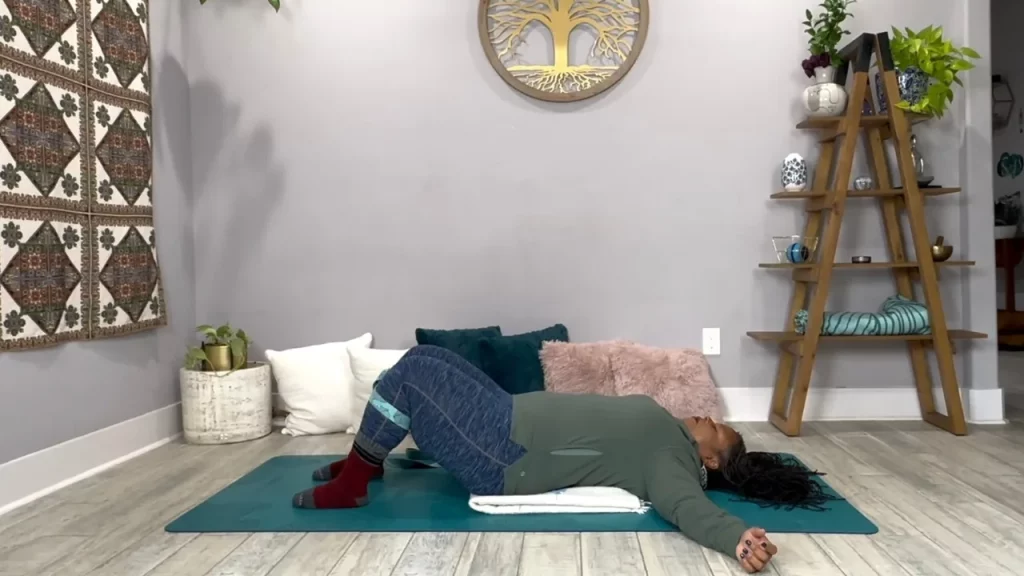
| Bridge Pose | Hip strength and circulation |
| Legs Up the Wall | Circulation and recovery |
These poses help maintain muscle tone, joint lubrication, and proprioception, all of which are essential for aging well.
A physical therapist working with older adults said:

“Simple poses done consistently do more for long-term mobility than intense workouts done sporadically.”
Expert Insight and Commentary
Medical and movement professionals increasingly support yoga as part of healthy aging strategies. Research summarized by the National Institute on Aging suggests that gentle, weight-bearing movement can slow age-related decline in strength and balance.
Dr. Samuel Greene, a researcher studying movement and aging, emphasized the role of breath:
“Controlled breathing improves oxygen delivery and helps regulate blood pressure. When paired with movement, it supports both cardiovascular and muscular health.”
Yoga instructors working with mixed-age groups also report psychological benefits.
“Many older students tell us yoga helps them feel capable again,” said a senior instructor at a community wellness center. “That sense of confidence is just as important as physical strength.”

Impact and Implications for Public Health
The rise of ageless yoga has implications beyond individual wellness. Public health experts see potential benefits at the population level, particularly in reducing healthcare costs associated with falls, joint replacements, and mobility loss.
Potential Public Health Benefits
- Reduced fall-related injuries
- Improved mobility and independence
- Lower rates of chronic pain
- Better mental well-being and stress management
- Increased physical activity adherence
Some local governments and nonprofit organizations have begun funding yoga programs for older adults as part of preventive health initiatives. Early evaluations suggest higher participation rates compared to traditional exercise classes.
Addressing Concerns and Misconceptions
Despite growing acceptance, misconceptions remain. Some people believe yoga requires flexibility or advanced balance, which can discourage participation.
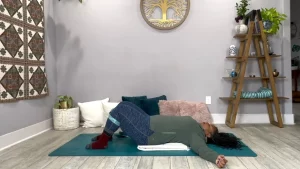
Experts stress that ageless yoga is inherently adaptable. Chairs, blocks, walls, and straps are commonly used, and poses can be modified or skipped entirely.
Dr. Morales addressed safety concerns directly:
“When taught properly, yoga is one of the safest forms of movement for older adults. The key is appropriate instruction and pacing.”
Healthcare providers also emphasize that yoga should complement, not replace, medical care or physical therapy when needed.
Final Thoughts
As Americans continue to live longer, the focus of fitness is shifting from performance to preservation. Ageless yoga practice reflects that change, offering a sustainable approach to movement that supports longevity, mobility, and vitality at every stage of life.
Experts agree that no single practice guarantees healthy aging. However, yoga that emphasizes breath, balance, and functional strength provides tools that many people can use well into later life.
Looking ahead, healthcare systems, community programs, and fitness providers are expected to further integrate ageless yoga into wellness strategies. For many practitioners, the appeal is simple: movement that supports the body not just today, but for years to come.
FAQs
Ageless yoga is a gentle, adaptable approach to yoga that focuses on longevity, mobility, balance, and overall vitality rather than performance or intensity.
No. While it is especially beneficial for older adults, people of all ages can practice ageless yoga to build sustainable strength and prevent injury.
No. Flexibility develops gradually. Poses are modified using chairs, blocks, or walls to suit individual abilities.
Yes. Many poses emphasize balance, leg strength, and body awareness, which are key factors in fall prevention.
Practicing two to four times per week is generally enough to experience mobility and strength benefits.






Leave a Comment