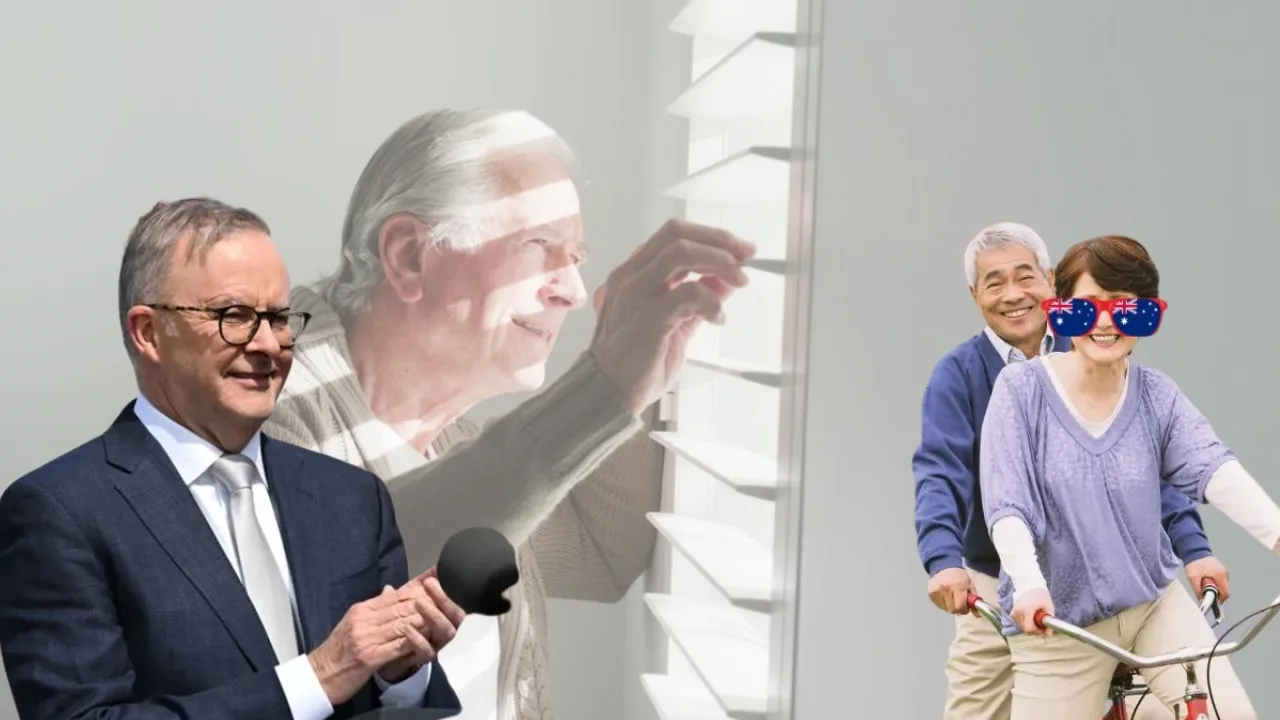
For generations, Australians planned retirement around a familiar milestone: stop work at 65 and rely on the Age Pension soon after. In 2026, that model no longer holds. With the Age Pension qualifying age firmly set at 67, Australians are being forced to rethink long-standing assumptions about when they can retire, how long savings must last, and what financial flexibility looks like in later life.
While the pension age increase was phased in over several years, its practical impact is now being fully felt. Australians approaching their mid-60s are discovering that fixed retirement timelines no longer match government support rules, prompting a fundamental shift in how retirement is planned.
Why Fixed Retirement Planning Is No Longer Working?
Australia does not have a mandatory retirement age. People can retire whenever they choose. However, the Age Pension age now defines when government income support begins, and that age is 67.

This change has disrupted traditional planning models that assumed:
- Retirement at 65
- Immediate access to the Age Pension
- Short retirement periods
In reality, Australians are now living longer, retiring later, and spending more years self-funding before pension eligibility.
“The idea of a single retirement age no longer fits how people live or work,” said a retirement policy adviser.
“Planning now needs to be flexible, staged, and personalised.”

How the Pension Age Shift Changed the Landscape?
The increase in the Age Pension age was introduced to reflect longer life expectancy and rising pension costs. By 2026, the transition is complete and 67 applies to everyone newly reaching pension age.
Age Pension Eligibility Snapshot
| Date of Birth | Pension Eligibility Age |
|---|---|
| Before July 1952 | 65 |
| July 1952 to Dec 1953 | 65 years and 6 months |
| Jan 1954 to June 1955 | 66 |
| July 1955 to Dec 1956 | 66 years and 6 months |
| January 1957 onward | 67 |
The result is a two-year planning gap for many Australians who expected to retire at 65 but cannot access the pension until 67.
The End of the One-Date Retirement Model
Retirement in 2026 is no longer a single event. Instead, it is becoming a multi-stage transition.

Common modern pathways include:
- Reducing hours rather than stopping work entirely
- Taking casual or contract roles after leaving full-time work
- Drawing down superannuation gradually
- Delaying retirement by one or two years
- Combining work, super, and savings before pension age
“Retirement is now a process, not a date,” explained a licensed financial adviser.
“People need income strategies that adjust over time.”
Superannuation Plays a Bigger Role Earlier
Superannuation is often the main tool Australians use to bridge the gap between work and pension age.

Key realities in 2026 include:
- Many Australians can access super before 67 depending on birth year
- Early withdrawals can reduce long-term income
- Super balances are assessed under pension income and assets tests at 67
Poorly timed super withdrawals can unintentionally reduce future Age Pension payments.
“People often focus on when they can access super, not how it affects Centrelink later,” said a retirement income specialist.
“That mistake can cost thousands over time.”

Who Feels the Pressure Most?
The shift away from fixed retirement planning does not affect everyone equally.
Groups Under the Most Strain
- Workers in physically demanding jobs
- Australians with interrupted careers
- Women with lower lifetime super balances
- Renters facing high housing costs
- Self-employed workers with limited super contributions
For these groups, extending work is not always possible, making the gap to pension age harder to manage.
Cost of Living Adds Complexity
Rising living costs are compounding the challenge of flexible retirement planning.

Key pressure points include:
- Rent and housing affordability
- Healthcare and medication costs
- Energy and insurance bills
- Transport expenses
Even with indexed pension increases, many Australians find that expenses rise faster than retirement income, increasing reliance on careful planning.
“The pension age change is manageable for some, but combined with living costs, it becomes a real stressor,” noted a community financial counsellor.

Why the Government Is Holding Firm on 67?
Policymakers argue that keeping the pension age at 67 is necessary to ensure long-term sustainability.
Drivers behind the decision include:
- Longer life expectancy
- Growing number of retirees relative to workers
- Increasing cost of pension payments
- Pressure on public finances
“Without reform, the system would struggle to support future retirees,” said an economist specialising in ageing populations.
“The challenge is helping people adapt without falling through the cracks.”

New Retirement Strategies Australians Are Adopting
In response, Australians are rethinking retirement in practical ways.
Common Adjustments
| Strategy | Purpose |
|---|---|
| Phased retirement | Smooth income transition |
| Part-time work | Reduce reliance on savings |
| Smaller super withdrawals | Protect future pension eligibility |
| Downsizing housing | Lower ongoing expenses |
| Earlier financial advice | Avoid late-stage surprises |
Flexibility has become the defining feature of modern retirement planning.
Why Clear Planning Matters More Than Ever?
With no single retirement age and delayed pension access, poor planning can lead to:
- Rapid depletion of super savings
- Unexpected Centrelink reductions
- Increased debt in later life
- Stress and uncertainty during retirement years
Clear timelines, realistic income projections, and understanding eligibility rules are now essential.
“The biggest risk in 2026 is assuming old rules still apply,” said a retirement adviser.
“They do not.”
Final Thoughts
The end of fixed retirement planning marks a significant shift for Australians in 2026. With the Age Pension age set at 67 and traditional milestones no longer aligning with government support, retirement has become a flexible, multi-stage journey rather than a single endpoint.
While this change offers opportunities for longer engagement in work and greater personal choice, it also demands better planning, earlier decisions, and greater financial awareness. Australians who adapt to this reality are more likely to navigate retirement with confidence. Those who cling to outdated assumptions risk financial strain at the very stage of life meant to offer security.
FAQs
You can retire at any age, but Age Pension eligibility generally begins at 67.
No. The increase was completed earlier. 2026 reflects full adoption of the 67 rule.
Yes, but withdrawals can affect future pension payments.
No. Retirement is a personal choice.
There is no announced or legislated plan to raise it further.











Leave a Comment