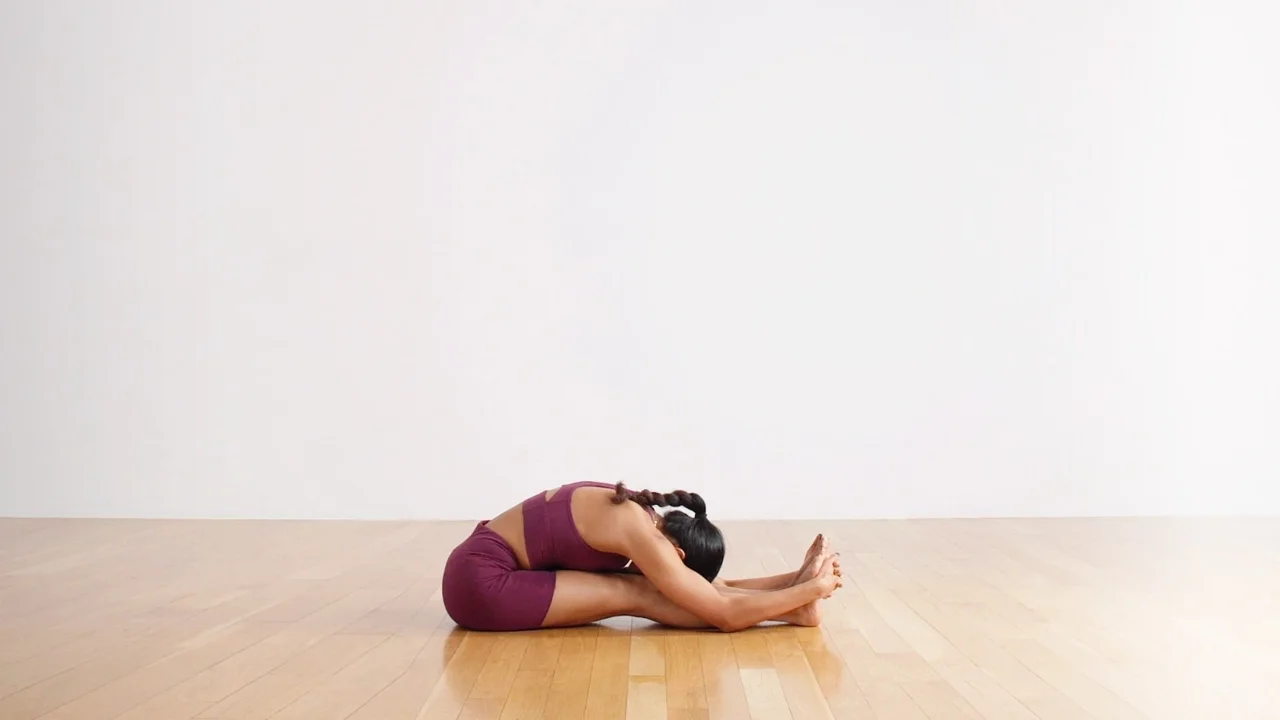
In a world filled with constant notifications, multitasking, and mental overload, focus has become a skill many people struggle to maintain. Difficulty concentrating is not always a lack of discipline. Often, it is the result of a nervous system that is overstimulated, a body that is tense, and breathing that has become shallow and rushed.
Yoga offers a natural and effective way to improve focus and concentration because it works on the mind through the body. Each pose asks for attention, balance, and controlled breathing. When the body settles into steady movement and posture, the mind follows. Over time, this practice trains the brain to stay present, attentive, and calm under pressure.
Unlike mental exercises that rely on willpower alone, yoga strengthens focus by creating physical anchors for attention. Balance poses sharpen awareness. Steady holds train patience. Breath-centered movement improves mental clarity.
Below are five yoga poses that are especially effective for improving focus and concentration. They are accessible to most levels and can be practiced individually or as part of a short daily routine.
1. Tree Pose (Vrikshasana)
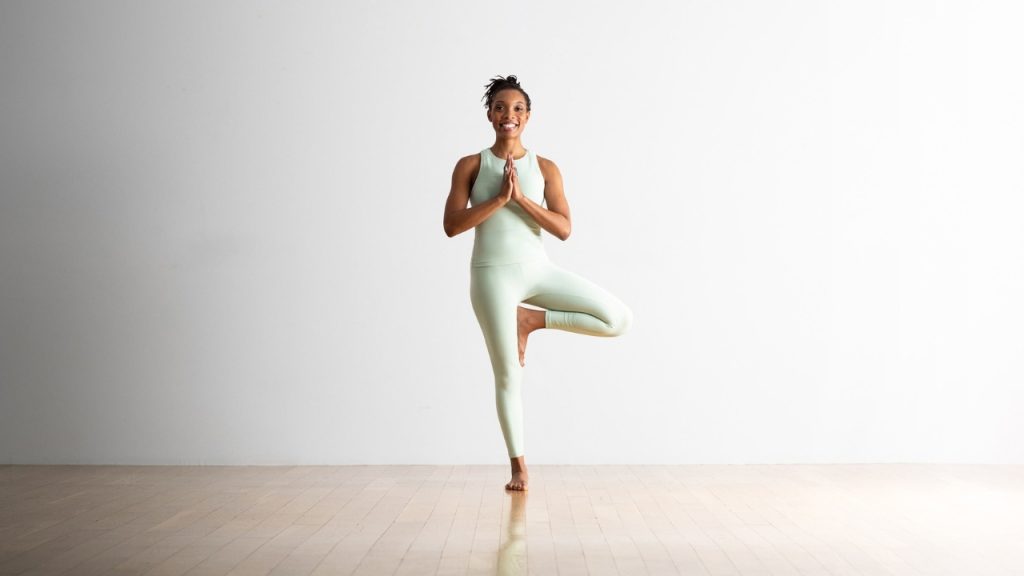
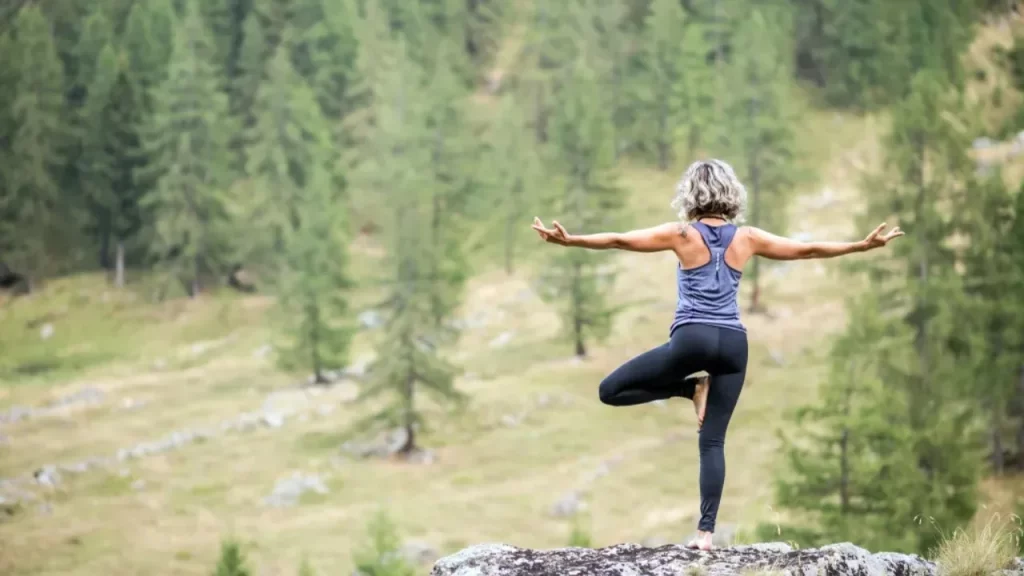
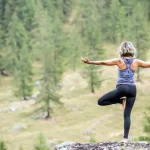
Tree Pose is one of the most effective yoga poses for improving concentration because it demands full mental presence. Even slight distractions can disrupt balance, making focus essential.
Physically, Tree Pose strengthens the ankles, calves, thighs, hips, and core. The standing leg stabilizes the body, while the lifted foot gently opens the hip and improves flexibility. Maintaining an upright spine supports healthy posture and breath flow.

Mentally, Tree Pose trains single-pointed attention. Fixing the gaze on one spot helps quiet mental chatter. When balance is lost, the practice is not frustration but calm return.
“Focus is trained not by forcing stillness, but by gently returning attention again and again.”
Tree Pose teaches patience and mental steadiness, both of which are key to sustained concentration.

Why it improves focus
- Requires sustained attention
- Strengthens mind-body coordination
- Trains patience and emotional control
- Encourages steady breathing
2. Eagle Pose (Garudasana)
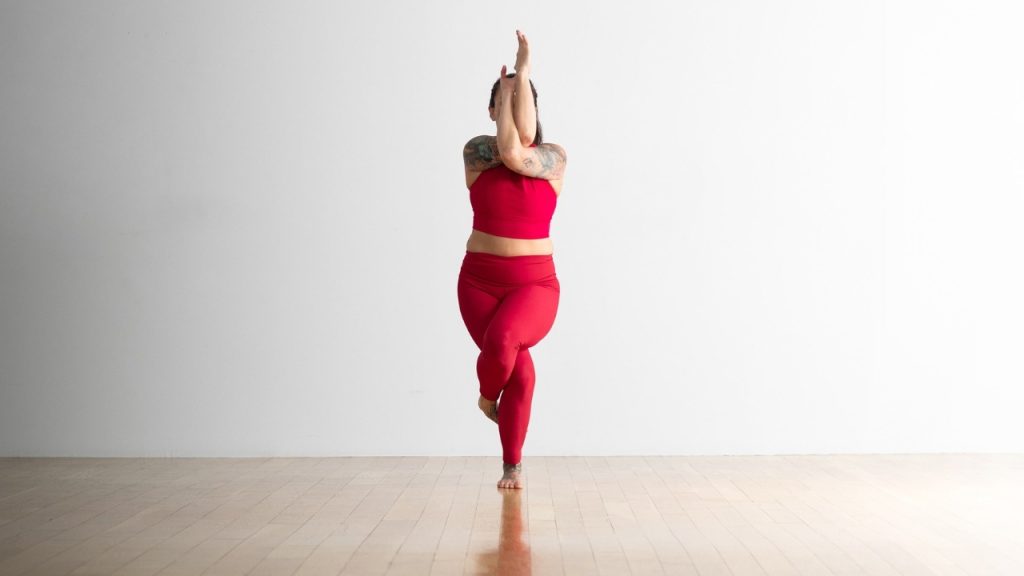
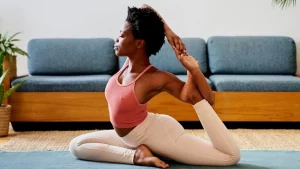
Eagle Pose is a powerful posture for sharpening mental focus. The wrapping of the arms and legs creates a compact shape that demands coordination and body awareness.
Physically, Eagle Pose strengthens the legs, ankles, hips, shoulders, and upper back. It also stretches tight areas such as the shoulders and upper spine, where stress often accumulates.

Mentally, the pose requires deep concentration. Balancing while maintaining the wrap challenges spatial awareness and memory. The inward focus created by the posture helps reduce external distractions.
“Eagle Pose draws attention inward, where concentration becomes easier to sustain.”
This pose is especially helpful when the mind feels scattered or overstimulated.
Why it improves focus
- Enhances coordination and balance
- Encourages inward attention
- Releases tension that clouds concentration
- Strengthens neural focus through complexity
3. Warrior II (Virabhadrasana II)
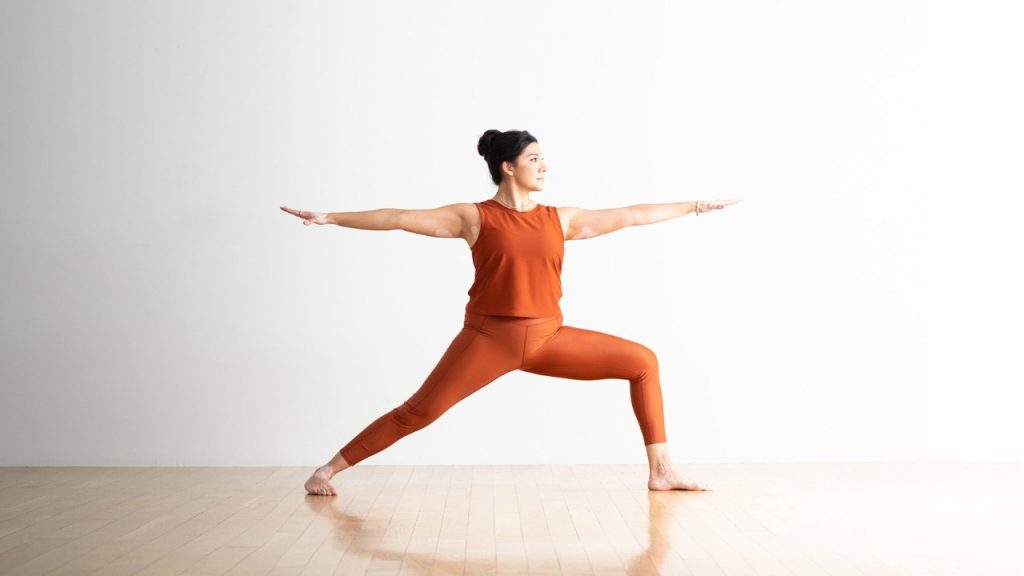
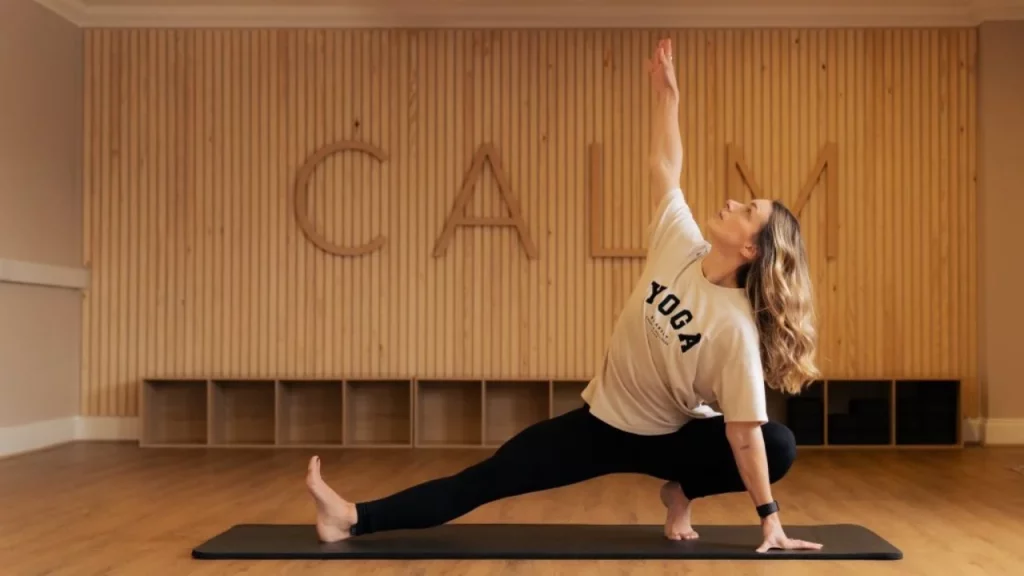
Warrior II may look strong and grounded, but it is also a powerful focus-building pose. Holding this posture requires steady attention and controlled breathing.
Physically, Warrior II strengthens the legs, hips, shoulders, and arms. The wide stance builds lower-body endurance, while the extended arms improve posture and upper-body engagement.
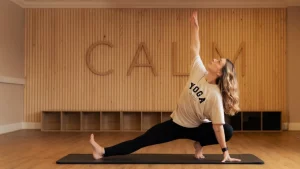
Mentally, Warrior II trains sustained concentration. The gaze remains fixed over the front fingertips, and the body holds steady even as muscles fatigue. This builds the ability to stay present under pressure.
“Warrior II trains the mind to stay steady even when effort increases.”
This pose is especially useful for improving focus during stressful or demanding situations.

Why it improves focus
- Trains sustained attention
- Builds mental endurance
- Encourages calm breathing under effort
- Improves posture and alertness
4. Plank Pose (Phalakasana)
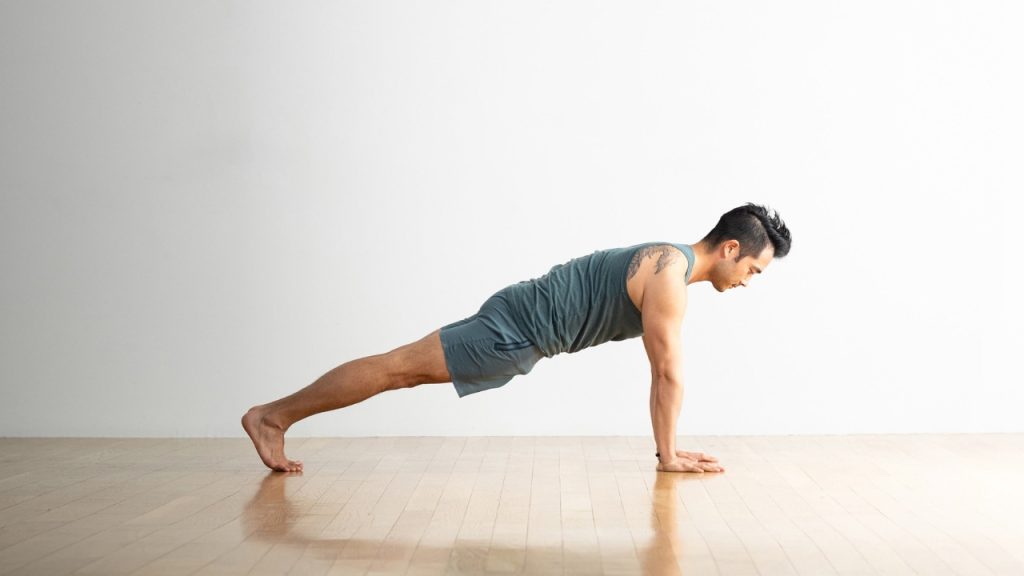
Plank Pose is a direct test of mental discipline. While it strengthens the body, its greatest benefit for focus lies in how it trains attention under discomfort.
Physically, Plank Pose strengthens the core, shoulders, arms, wrists, legs, and back. The body must remain aligned and stable, requiring full-body engagement.

Mentally, plank reveals how the mind responds to challenge. The urge to quit often arises quickly. Staying with the pose while breathing steadily trains concentration and emotional regulation.
“Plank teaches the mind to stay present instead of escaping discomfort.”
Holding plank for controlled intervals strengthens mental resilience and focus.
Why it improves focus
- Builds mental discipline
- Trains attention during effort
- Encourages breath control
- Improves body awareness
5. Seated Forward Fold (Paschimottanasana)
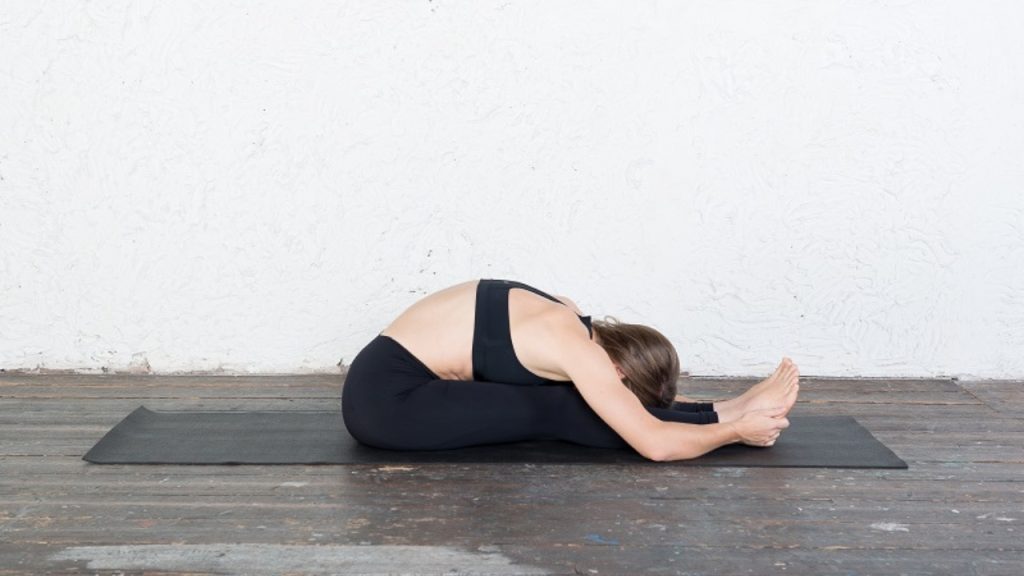
Seated Forward Fold is a calming pose that improves focus by reducing mental noise. Unlike active balance poses, it works by soothing the nervous system.
Physically, Paschimottanasana stretches the hamstrings, calves, lower back, and spine. Allowing the upper body to soften forward releases tension from the neck and shoulders.
Mentally, this pose encourages inward attention. The quiet, grounded nature of the fold helps slow racing thoughts and improve clarity.
“When the nervous system settles, focus returns naturally.”
This pose is especially helpful after mentally demanding tasks or at the end of a focus-building practice.
Why it improves focus
- Calms the nervous system
- Reduces mental overstimulation
- Encourages inward awareness
- Supports sustained concentration
How These Poses Work Together?
Practiced together, these five poses create a balanced approach to improving focus and concentration:
- Tree Pose sharpens attention through balance
- Eagle Pose refines coordination and inward focus
- Warrior II trains sustained mental endurance
- Plank Pose builds discipline under effort
- Seated Forward Fold calms and consolidates focus
This combination trains both alertness and relaxation, which are equally important for concentration.
The Role of Breath in Focus
Breathing is central to concentration. Shallow or irregular breathing signals stress, making focus difficult. Slow, steady breathing activates the parasympathetic nervous system, which supports mental clarity.
In each of these poses, focusing on nasal breathing helps anchor attention and prevent mental distraction.
“Where the breath goes, attention follows.”
Tips for Practicing Yoga for Concentration
- Practice in a quiet, uncluttered space
- Focus on one pose at a time
- Use a steady gaze point
- Breathe slowly and evenly
- Avoid rushing between poses
Consistency matters more than duration. Even 10–15 minutes of focused practice can improve concentration.
Final Thoughts
Focus and concentration are skills that can be trained. Yoga offers a natural, body-based way to strengthen these abilities without forcing the mind into silence.
These five poses build attention through balance, effort, and calm awareness. With regular practice, they help reduce mental distraction, improve clarity, and support sustained focus in daily life.
Yoga does not eliminate distractions. It teaches you how to return your attention, again and again, with patience and control.
FAQs
Practicing 3–5 times a week produces noticeable results.
Yes, all poses can be modified for beginners.
Hold poses for 20–60 seconds with steady breathing.
Yes, yoga trains attention, breath control, and mental regulation.
Yoga complements meditation by training focus through movement.







Leave a Comment