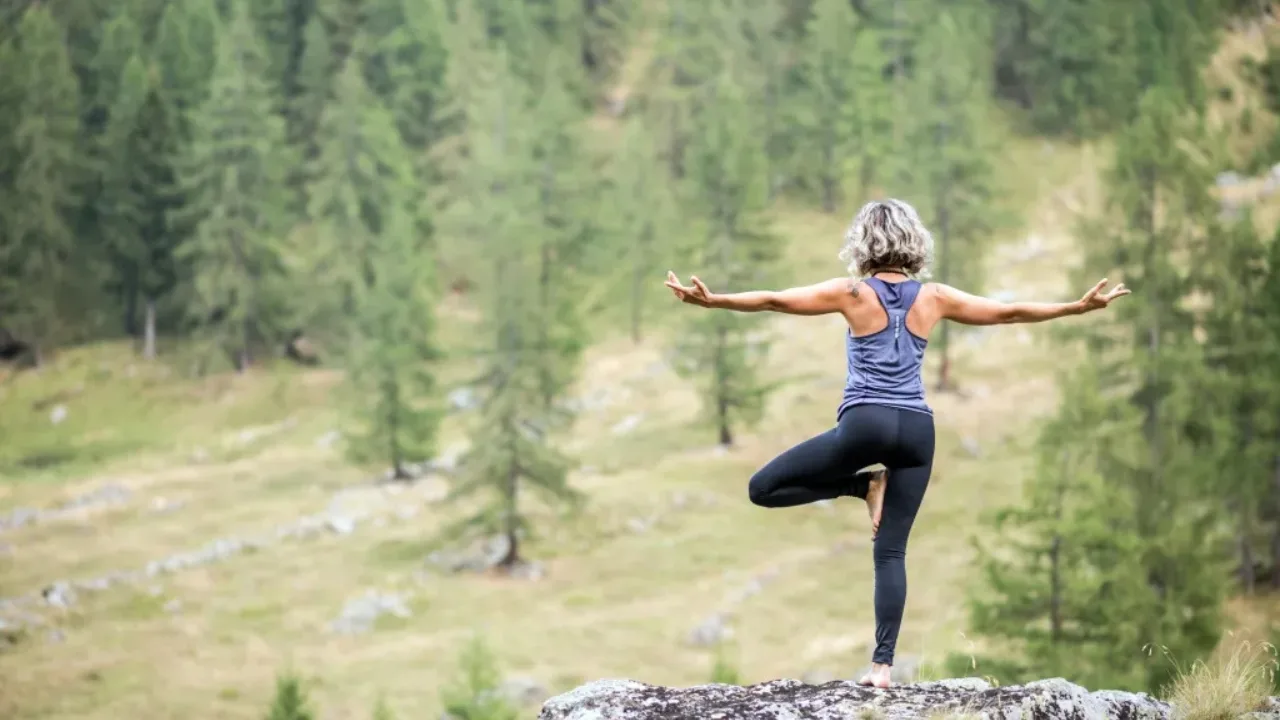
Balance and flexibility are not just physical abilities. They are skills that reflect how well the body and mind work together. When balance improves, movements feel more controlled and confident. When flexibility increases, the body moves with less resistance and discomfort. Yoga strengthens both by training muscles, joints, breath, and awareness at the same time.
In everyday life, poor balance can increase the risk of falls and injuries, especially as we age. Limited flexibility often leads to stiffness, poor posture, and chronic aches in the back, hips, and shoulders. Yoga addresses these issues gently and progressively. Instead of forcing the body into extreme positions, it encourages gradual opening, steady engagement, and mindful control.
Another key benefit of yoga is that it improves functional balance and flexibility. These are the qualities you use when walking, bending, reaching, or standing on one leg. Yoga poses strengthen stabilizing muscles that are often neglected while teaching the nervous system how to respond calmly to shifts in position.
You do not need long or complex routines to see results. A small number of well-chosen poses, practiced consistently and with attention, can create noticeable improvements over time. Below are three yoga poses that are especially effective for building balance and flexibility in a safe, sustainable way.
1. Tree Pose (Vrikshasana)
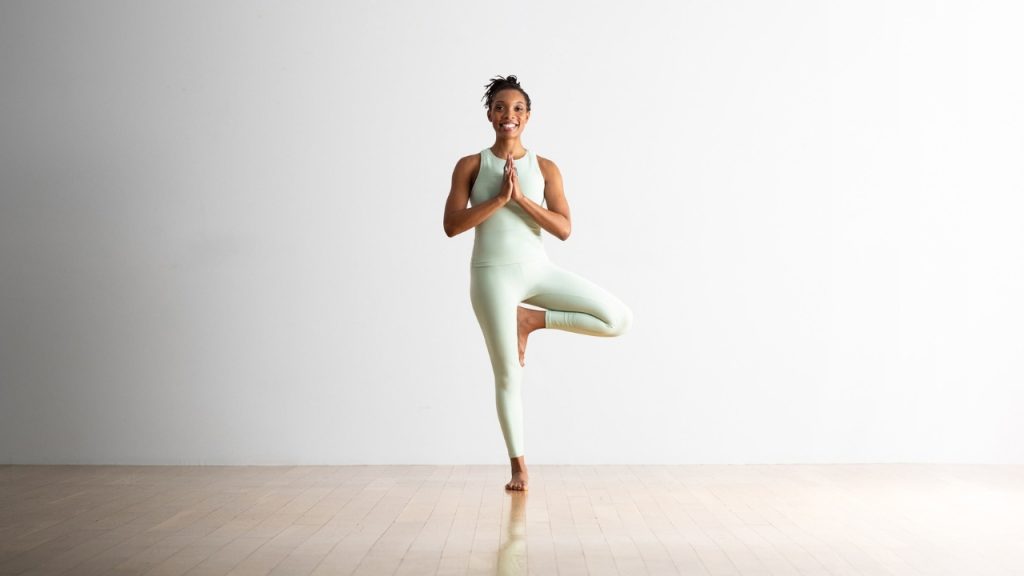
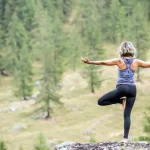
Tree Pose is one of the most widely practiced balance poses in yoga, and for good reason. It teaches the body how to stabilize on one leg while remaining relaxed and upright. At the same time, it gently increases flexibility in the hips and legs.
Physically, Tree Pose strengthens the ankles, calves, thighs, hips, and core. The standing leg becomes rooted and stable, improving joint strength and coordination. The lifted foot encourages external hip rotation, which improves hip flexibility over time. Maintaining an upright spine also supports better posture and spinal alignment.
Mentally, Tree Pose demands focus and patience. Balance is never perfectly still. Small adjustments are always happening beneath the surface. When the mind wanders, the body often follows. Practicing Tree Pose trains concentration and emotional steadiness, teaching you how to respond calmly when balance is challenged.
“Balance is not about staying perfectly still. It is about learning how to return with calm when steadiness is lost.”
Tree Pose is especially helpful for people who feel unsteady on their feet or who want to improve coordination. Practicing near a wall can provide reassurance while building confidence.

Why Tree Pose improves balance and flexibility
- Strengthens stabilizing muscles in the legs and core
- Improves ankle strength and hip mobility
- Enhances focus and body awareness
- Encourages upright posture and spinal alignment
2. Warrior III (Virabhadrasana III)
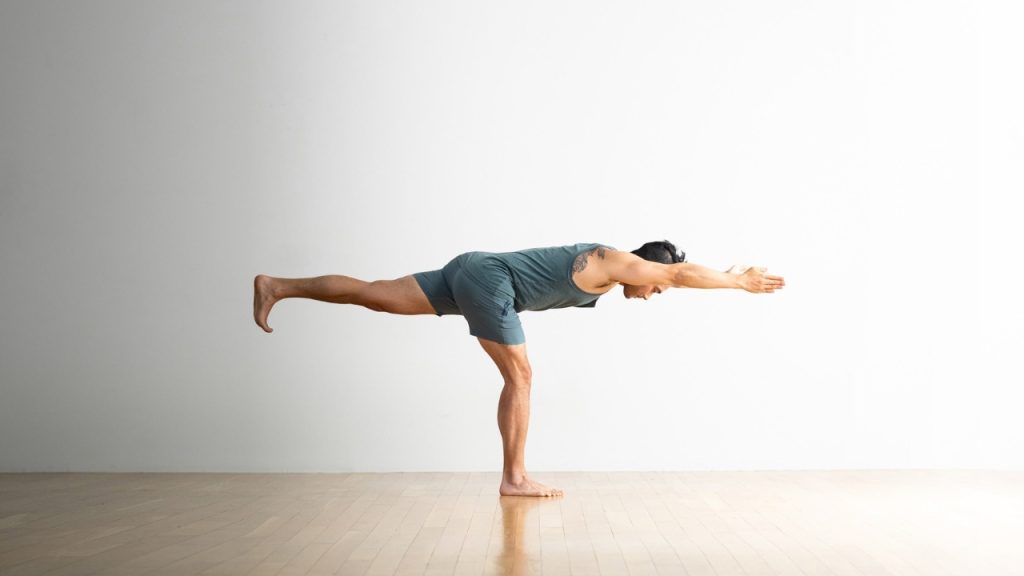
Warrior III is a dynamic balance pose that integrates strength, flexibility, and coordination. It challenges the entire body while teaching controlled movement and focused awareness.
Physically, Warrior III strengthens the standing leg, glutes, core, and back muscles. The extended back leg and forward-leaning torso create a long line of energy through the body, encouraging length in the spine. At the same time, the hamstrings and hips are deeply stretched, improving flexibility in areas that often feel tight.

This pose also improves joint stability, especially in the ankles, knees, and hips. Because the body is balanced on one leg while leaning forward, small stabilizing muscles must activate continuously to maintain control.
Mentally, Warrior III requires steady attention. Balance depends not only on strength but also on where the mind is focused. A wandering gaze or shallow breath can quickly disrupt stability.
“Warrior III teaches how strength and flexibility must cooperate for true balance to exist.”
Practicing Warrior III slowly, entering and exiting the pose with control, helps build confidence and coordination while reducing the risk of strain.
Why Warrior III improves balance and flexibility
- Builds single-leg strength and stability
- Stretches hamstrings and hips deeply
- Strengthens the core and back
- Improves coordination and spatial awareness
3. Downward-Facing Dog (Adho Mukha Svanasana)
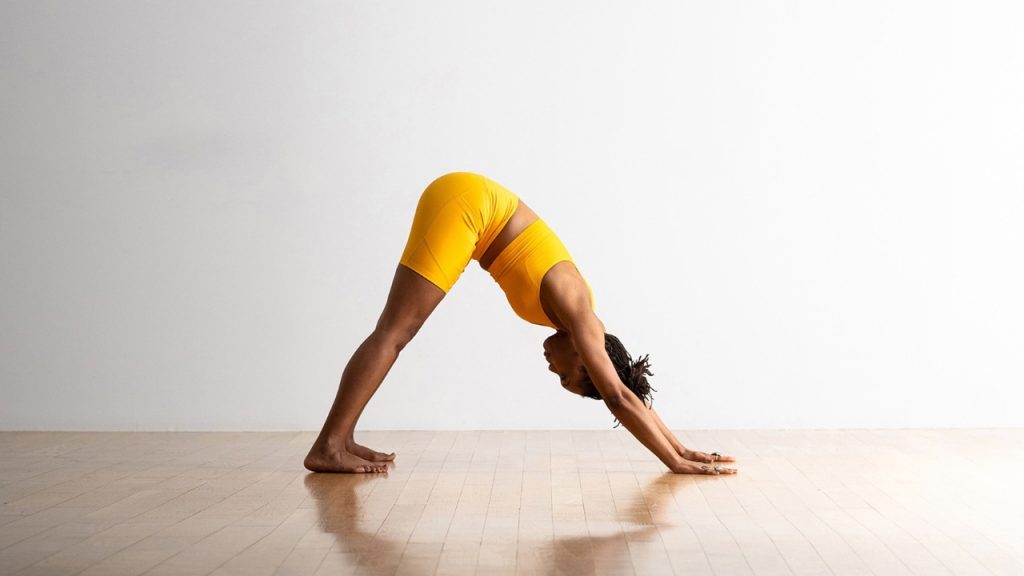
Downward-Facing Dog is a foundational yoga pose that supports both flexibility and balance through even weight distribution and full-body engagement. While it may not look like a traditional balance pose, it plays a crucial role in developing coordination and stability.
Physically, Downward Dog stretches the calves, hamstrings, hips, shoulders, and spine. It helps lengthen the back of the body while strengthening the arms, shoulders, and legs. Pressing evenly through the hands and feet teaches the body how to distribute weight efficiently.
This pose also improves shoulder mobility and spinal alignment, which are essential for maintaining balance in more advanced poses. Tight shoulders or hamstrings often interfere with balance, and Downward Dog helps address both.
Mentally, Downward Dog encourages steady breathing and inward focus. It is both grounding and energizing, making it an excellent pose for resetting between balance-focused movements.

“Downward Dog teaches balance by spreading effort evenly instead of forcing it into one place.”
Bending the knees slightly allows flexibility to develop safely while maintaining spinal length.
Why Downward Dog improves balance and flexibility

- Lengthens the spine and legs
- Improves shoulder and ankle mobility
- Enhances full-body coordination
- Supports calm, rhythmic breathing
How These Three Poses Work Together?
Practicing these three poses together creates a well-rounded approach to balance and flexibility.
- Tree Pose builds foundational balance and focus
- Warrior III integrates strength with flexibility and coordination
- Downward-Facing Dog lengthens tight muscles while reinforcing alignment
Together, they strengthen stabilizing muscles, increase range of motion, and improve body awareness. This combination supports safer movement not only in yoga practice, but also in daily activities such as walking, climbing stairs, or lifting objects.
The Role of Breath in Balance and Flexibility
Breathing plays a critical role in both balance and flexibility. When breath becomes shallow or rushed, muscles tend to tighten and balance becomes unstable. Slow, steady breathing signals the nervous system to relax, allowing muscles to lengthen and coordination to improve.
In each of these poses, focusing on smooth nasal breathing can make a noticeable difference. Breath helps anchor attention, calm the mind, and support controlled movement.
“When the breath is steady, the body finds balance more easily.”
Tips for Practicing Safely and Effectively
- Practice barefoot on a non-slip surface
- Use a wall or chair for balance support when needed
- Focus on alignment rather than depth of stretch
- Move slowly in and out of poses
- Avoid forcing flexibility
Consistency is more important than intensity. Even short, regular sessions produce lasting results.
Final Thoughts
Balance and flexibility are not fixed traits. They are skills that improve with awareness, patience, and regular practice. Yoga offers a safe and effective way to develop both while supporting overall physical and mental well-being.
Tree Pose, Warrior III, and Downward-Facing Dog each train the body in a unique way. Together, they build stability, mobility, and confidence. With time, these improvements extend beyond the mat, helping you move through daily life with greater ease, control, and comfort.
Yoga does not demand perfection. It rewards attention and consistency. Every small improvement in balance and flexibility is a step toward better movement and long-term health.
FAQs
Practicing 3–5 times a week leads to steady improvement.
Yes, all poses can be modified and supported as needed.
Hold each pose for 20–60 seconds, depending on comfort.
Yes, yoga strengthens stabilizing muscles and coordination.
No, flexibility develops gradually through regular practice.



Leave a Comment