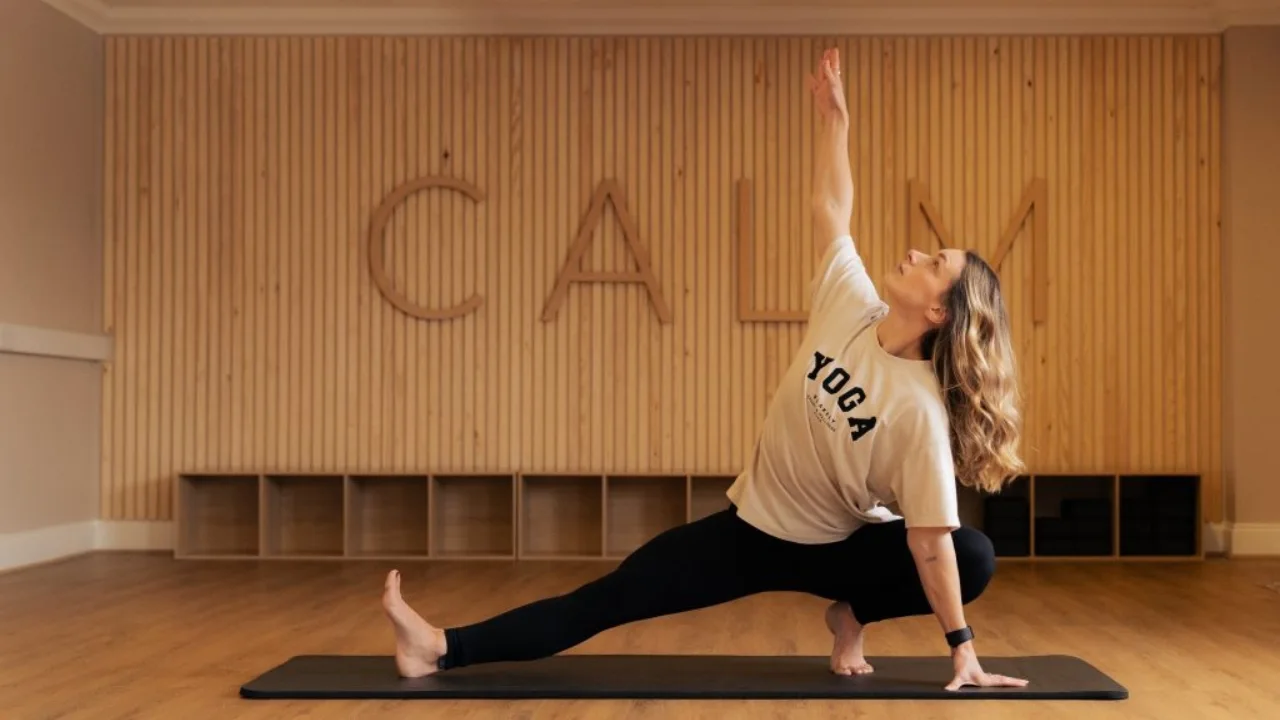
Resilience is not just about enduring difficult moments. It is about staying steady when life feels uncertain, responding instead of reacting, and finding strength even when energy is low. Inner strength works the same way. It is built quietly, through repeated effort, patience, and awareness.
Yoga is uniquely suited to develop both resilience and inner strength because it trains the body and the mind at the same time. Each pose asks you to breathe through challenge, remain present in discomfort, and recover with control. Over time, this process reshapes how you handle stress, fatigue, and emotional pressure.
Unlike practices that push for constant intensity, yoga builds strength through steadiness. You learn to hold, soften, adjust, and continue. That rhythm mirrors real life more closely than any quick workout ever could.

Below are five yoga poses that are especially effective for cultivating resilience and inner strength, both on the mat and beyond it.
1. Warrior II (Virabhadrasana II)
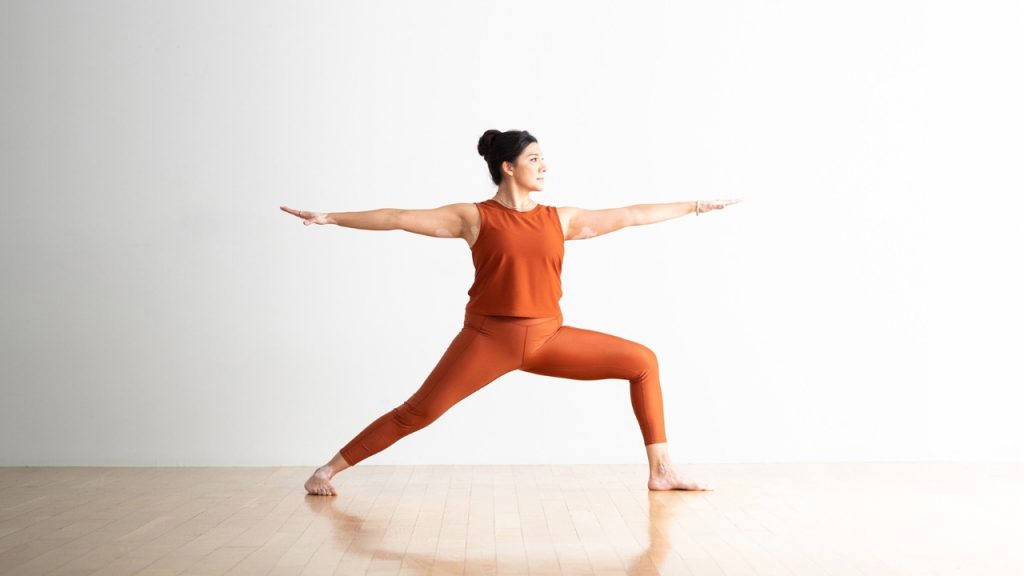
Warrior II is a foundational pose for building both physical endurance and mental resolve. It requires strength, stability, and focus, all held together through steady breathing.
Physically, Warrior II strengthens the legs, hips, shoulders, and arms. The bent front knee builds stamina in the thighs, while the wide stance activates the hips and core. The extended arms demand upper-body engagement and postural awareness.

Mentally, the pose teaches calm persistence. As the legs begin to burn, the instinct is to rush or collapse. Warrior II asks you to stay present instead. The gaze remains steady, the breath controlled, and the posture grounded.
“Resilience is learned in moments when the body wants to quit but the breath teaches you to stay.”
This pose builds confidence by showing that discomfort can be managed without panic.

Why it builds resilience
- Trains endurance under sustained effort
- Encourages steady focus
- Builds emotional composure
- Strengthens the lower body and posture
2. Chair Pose (Utkatasana)
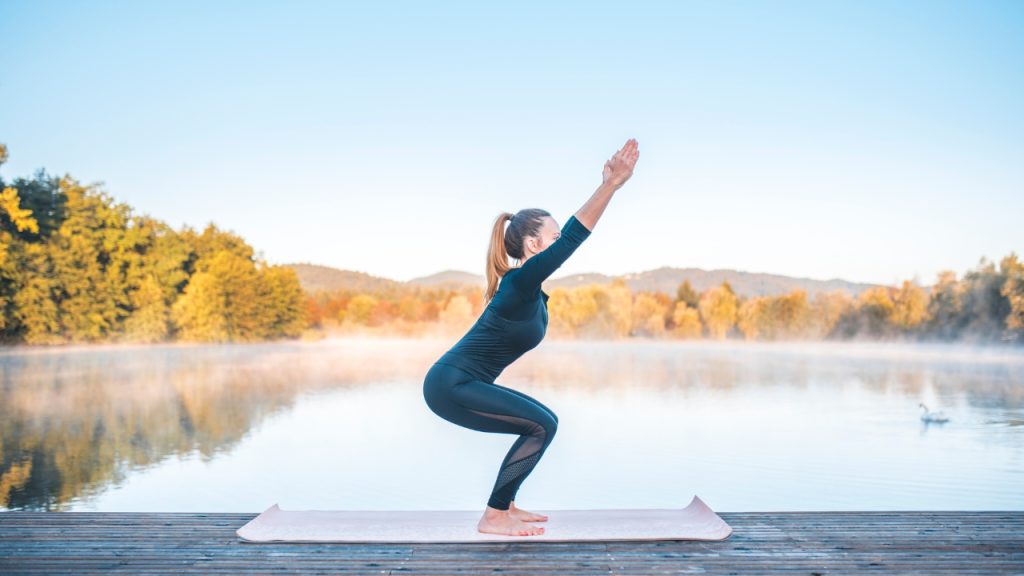
Chair Pose is deceptively intense. It looks simple, yet it quickly reveals both physical and mental resistance. This makes it one of the most effective poses for developing inner strength.
Physically, Chair Pose strengthens the thighs, glutes, calves, core, and back. The lifted arms activate the shoulders and upper spine, reinforcing postural stability.

Mentally, Chair Pose confronts impatience. The body heats up quickly, and the urge to escape builds fast. Staying with the pose teaches tolerance, breath awareness, and mental steadiness.
“Chair Pose shows you how quickly the mind protests—and how quickly it can be trained to stay.”
Each breath held in Chair Pose strengthens not just muscles, but willpower.

Why it builds resilience
- Builds lower-body strength and stamina
- Trains the nervous system to handle intensity
- Develops mental toughness
- Improves posture and spinal support
3. Plank Pose (Phalakasana)
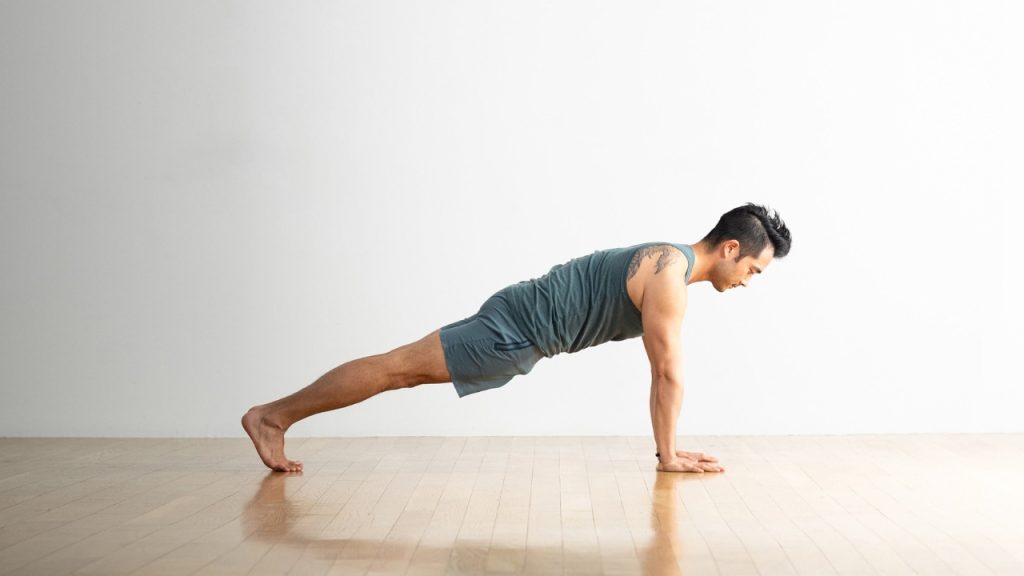
Plank Pose is a direct test of resilience. It demands full-body engagement and sustained focus, making it a powerful pose for building both strength and discipline.
Physically, Plank Pose strengthens the core, shoulders, arms, wrists, legs, and back. The entire body works as one unit, requiring coordination and balance.

Mentally, plank exposes how the mind responds to pressure. Thoughts of quitting often arise early. Learning to breathe steadily through plank trains emotional regulation and self-trust.
“Plank teaches you that strength grows when you stop negotiating with discomfort and start breathing through it.”
Each additional breath in plank reinforces inner resolve.

Why it builds resilience
- Develops full-body strength
- Builds mental endurance
- Improves focus under stress
- Encourages calm breathing during effort
4. Tree Pose (Vrikshasana)
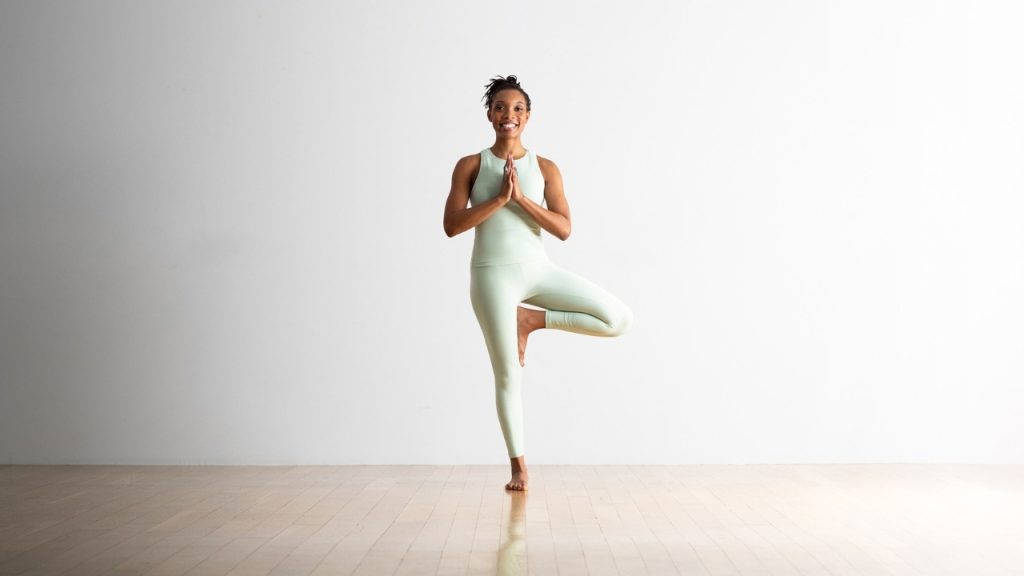
Tree Pose builds a quieter form of strength. It teaches stability, patience, and adaptability, all of which are essential for long-term resilience.
Physically, Tree Pose strengthens the ankles, calves, thighs, hips, and core. The standing leg becomes strong and rooted, while the lifted foot encourages balance and coordination.

Mentally, Tree Pose requires full presence. Even small distractions can cause wobbling. Each loss of balance becomes an opportunity to practice patience rather than frustration.
“Inner strength is not about never falling it is about learning how to return with calm.”
This pose builds confidence by teaching trust in the body and the breath.
Why it builds resilience
- Improves balance and coordination
- Strengthens stabilizing muscles
- Trains focus and patience
- Calms the nervous system
5. Bridge Pose (Setu Bandhasana)
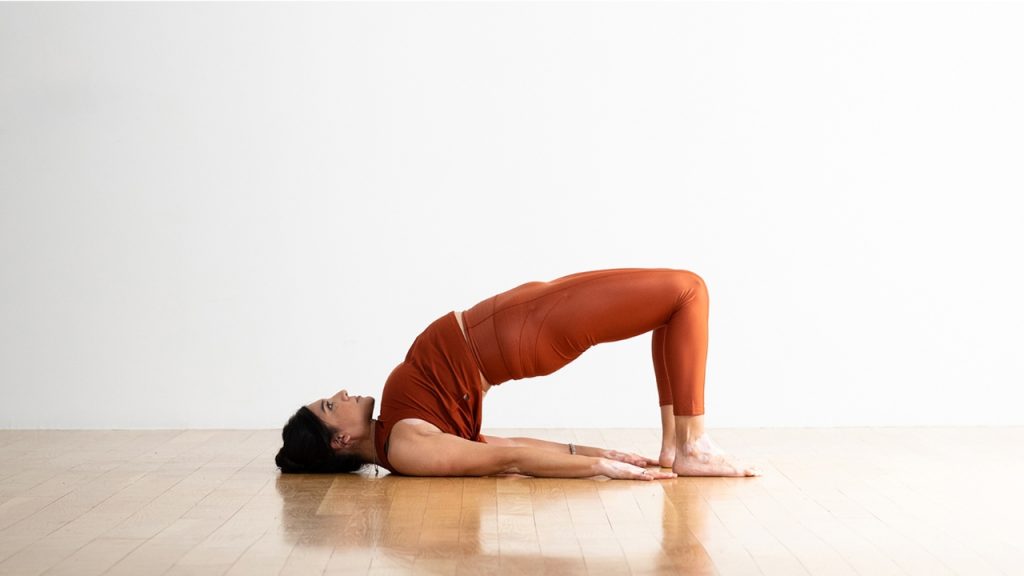
Bridge Pose combines physical opening with emotional grounding. It is especially effective for resilience because it balances effort with support.
Physically, Bridge Pose strengthens the glutes, hamstrings, back, and core while opening the chest and hips. The pose counteracts slouching and supports spinal health.
Mentally, Bridge Pose encourages openness without strain. The supported lift of the chest can reduce stress and fatigue, helping reset the nervous system after effort-heavy poses.
“Resilience also means knowing when to open and restore, not just when to push.”
This pose reminds practitioners that strength includes recovery.
Why it builds resilience
- Strengthens the back and lower body
- Supports emotional balance
- Reduces tension and fatigue
- Encourages steady breathing and calm
How These Poses Work Together?
Practiced together, these five poses create a complete resilience-building sequence:
- Warrior II develops grounded endurance
- Chair Pose builds intensity tolerance
- Plank Pose strengthens discipline and focus
- Tree Pose trains balance and patience
- Bridge Pose restores energy and openness
This balance of effort and recovery mirrors how resilience works in daily life.
Tips for Practicing Safely and Effectively
- Focus on alignment rather than depth
- Breathe slowly and consistently
- Use blocks or walls for balance
- Rest when needed without judgment
- Practice regularly, even for short sessions
“Consistency builds resilience far more effectively than intensity.”
Final Thoughts
Resilience and inner strength are not built through force alone. They grow through patience, awareness, and repeated effort. Yoga offers a space to practice all three in a controlled and supportive way.
These five poses train the body to stay strong and the mind to remain calm under pressure. Over time, that training carries into everyday life, helping you respond to challenges with clarity instead of stress.
Yoga does not promise instant transformation. It offers something more valuable: steady growth, breath by breath.
FAQs
Practicing 3–5 times a week is ideal for building resilience.
Yes, all poses can be modified for beginner levels.
Hold each pose for 20–60 seconds, depending on comfort.
Yes, controlled breathing and focus train emotional regulation.
No, even short home sessions are effective when practiced consistently.






Leave a Comment