
Yoga is often mistaken for a purely physical routine, but its real impact goes far deeper. Each pose is a conversation between the body and the mind. Muscles engage, breath slows, and attention sharpens. Over time, this connection builds not only strength and flexibility, but also patience, resilience, and emotional balance.
Unlike workouts that focus only on burning calories or building muscle, yoga trains the nervous system alongside the body. Holding a pose teaches you how to stay steady under pressure. Balancing poses train concentration. Conscious breathing helps regulate stress responses. When practiced consistently, yoga becomes a tool for mental clarity as much as physical health.
You do not need advanced flexibility or long practice sessions to experience these benefits. A small number of well-chosen poses, practiced with awareness, can strengthen the body while calming and focusing the mind.
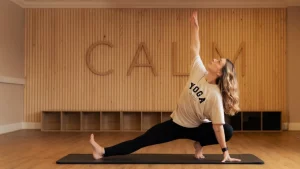
Below are three yoga poses that are especially effective for building both physical strength and mental steadiness.
1. Warrior II (Virabhadrasana II)
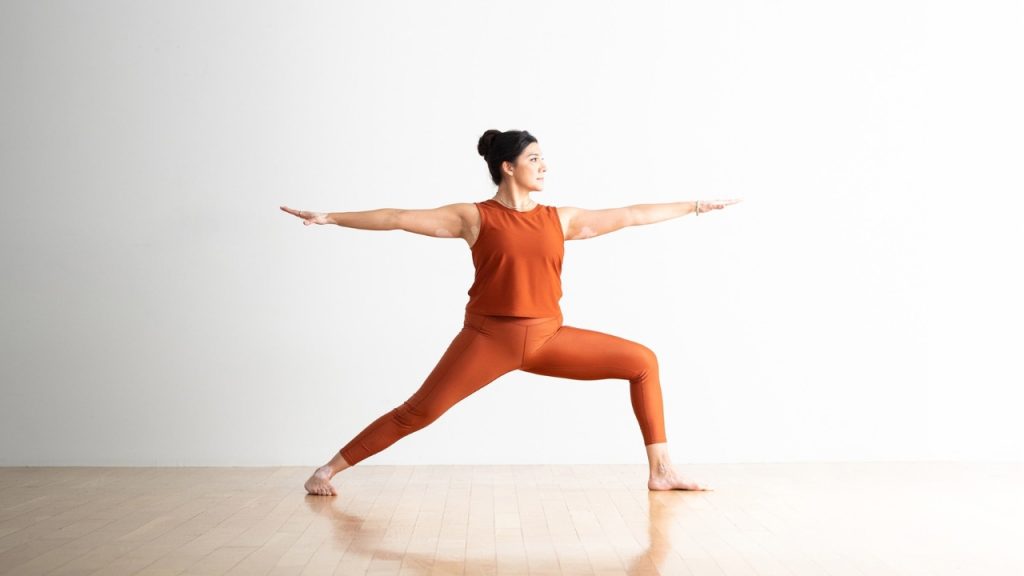
Warrior II is a classic standing pose that looks powerful and feels even more demanding. It requires strength, balance, and mental focus, all working together. The pose asks you to remain grounded while expanding outward, a physical metaphor for stability under challenge.
From a physical standpoint, Warrior II strengthens the legs, hips, shoulders, and arms. The bent front knee builds endurance in the thighs and calves. The wide stance opens the hips and improves stability. The extended arms activate the shoulders and upper back, improving posture.

Mentally, Warrior II is a lesson in presence. The gaze stays steady over the front fingertips. The breath remains smooth and controlled. As the legs begin to tire, the mind is tempted to wander or rush the pose. Staying still teaches emotional control and focus.
“Warrior II teaches you how to stay calm while your body works hard. That skill transfers directly to real-life stress.”
This pose is particularly helpful for building confidence. Holding it for several breaths reinforces the ability to stay composed, even when the body feels challenged.

Key benefits
- Strengthens legs, hips, shoulders, and arms
- Improves posture and lower-body stability
- Builds focus and emotional resilience
- Encourages steady breathing under effort
Mind-body connection
When attention fades, alignment weakens. When focus returns, the pose feels stronger and more stable. Warrior II shows how mental clarity directly affects physical strength.
2. Plank Pose (Phalakasana)
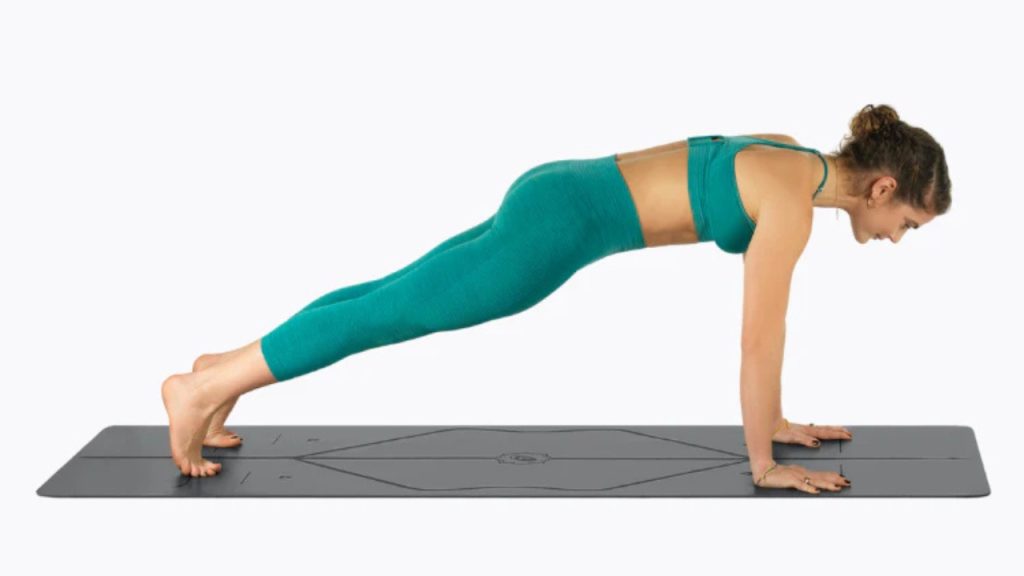
Plank Pose is simple in appearance but demanding in execution. In yoga, plank is not rushed or treated as a quick exercise. Instead, it is held with intention, making it a powerful tool for both physical conditioning and mental discipline.

Physically, Plank Pose strengthens the core, shoulders, arms, wrists, and legs. The body forms a straight line from head to heels, requiring deep abdominal engagement. The shoulders stabilize the upper body, while the legs stay active to support balance.
Mentally, plank exposes how the mind reacts to discomfort. As the muscles begin to shake, the urge to escape becomes strong. Practicing plank with steady breathing trains the nervous system to remain calm instead of reactive.
“Plank Pose is where you learn the difference between discomfort and danger. The mind often wants to quit long before the body needs to.”

Holding plank for even a few extra breaths builds mental toughness. It teaches you to stay present rather than counting seconds or anticipating release.
Key benefits
- Builds deep core and upper-body strength
- Improves spinal support and posture
- Trains mental endurance
- Encourages controlled breathing during strain
Mind-body connection
Plank reveals habits of impatience or self-doubt. When the breath stays smooth, the pose feels more manageable. This connection between breath and effort is central to yoga practice.

3. Tree Pose (Vrikshasana)
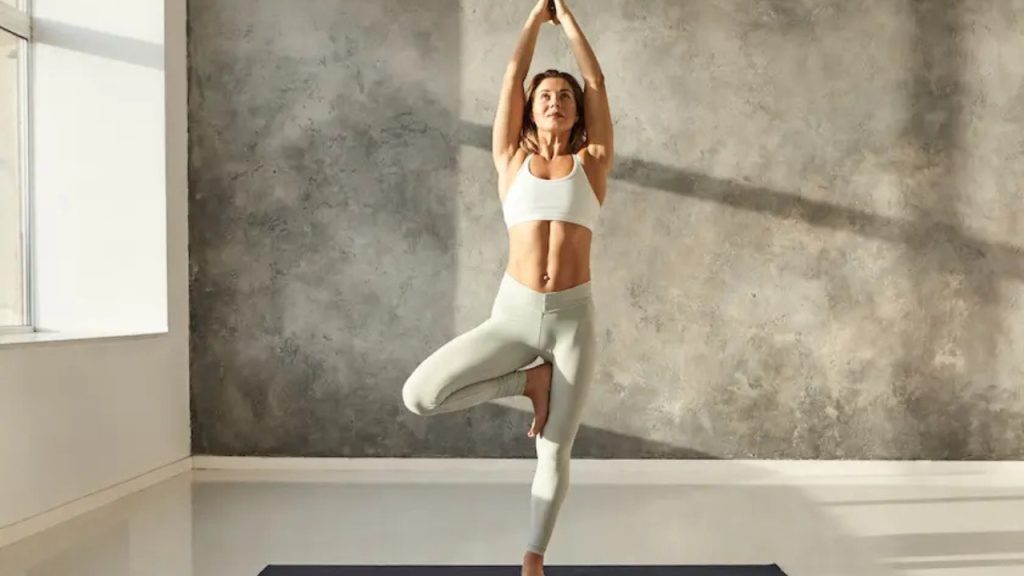
Tree Pose may appear gentle, but it is one of the most effective poses for training balance and concentration. It strengthens the body through stillness rather than force, making it especially powerful for mental clarity.
Physically, Tree Pose strengthens the ankles, calves, thighs, and core. The standing leg becomes rooted and stable, while the lifted foot encourages hip mobility. The spine lengthens, improving posture and alignment.
Mentally, Tree Pose demands full attention. Even small distractions can cause wobbling. Each loss of balance becomes a chance to practice patience instead of frustration.

“Tree Pose teaches adaptability. Falling out of balance is not failure; it is part of learning how to return.”
This pose is especially calming. The focus on a single point and steady breathing quiets mental noise, making Tree Pose an effective tool for stress relief.
Key benefits

- Improves balance and coordination
- Strengthens stabilizing muscles
- Enhances focus and body awareness
- Promotes mental calm and patience
Mind-body connection
Tree Pose demonstrates how mental agitation shows up physically. When the mind settles, the body naturally becomes more stable.
Why These Three Poses Work So Well Together?
Practicing these three poses together creates a balanced mind-body routine.
- Warrior II builds grounded strength and confidence
- Plank Pose develops core power and mental resilience
- Tree Pose refines balance, focus, and calm awareness
Together, they train strength, endurance, and stability without overwhelming the body. Even a short sequence that includes these poses can leave you feeling centered and energized.
How to Practice for Best Results?
To get the most benefit from these poses, focus on quality rather than duration.
- Prioritize alignment over depth
- Breathe slowly and evenly
- Use a wall or chair for balance if needed
- Stop if pain replaces effort
- Practice consistently, even for short sessions
“Yoga is not about how long you hold a pose. It is about how present you are while holding it.”
Consistency builds both physical strength and mental clarity over time.
Final Thoughts
Strength is not just about muscle. True strength includes focus, patience, and emotional steadiness. Yoga develops this type of strength by linking movement with breath and awareness.
Warrior II, Plank Pose, and Tree Pose each strengthen the body while training the mind to remain calm under challenge. Practiced regularly, these poses help you build resilience that extends beyond the mat.
Yoga does not demand perfection. It rewards attention, consistency, and self-awareness. Over time, these three poses can become tools not only for physical health, but for balance and confidence in daily life.
FAQs
Practicing 3–5 times a week is enough to see benefits.
Yes, all three poses can be modified for beginners.
No, even 20–30 seconds with good focus is effective.
Yes, controlled breathing and focus help calm the nervous system.
Yoga builds functional strength and balance, especially when practiced consistently.





Leave a Comment