Modern life places constant strain on the spine. Long hours of sitting, frequent phone use, and limited movement all contribute to poor posture, back stiffness, and chronic discomfort. Over time, these habits can lead to misalignment, reduced mobility, and even nerve-related pain. Spine health is not just about avoiding injury. It directly affects breathing, balance, digestion, and overall quality of life.
Yoga offers a practical and accessible way to support spinal health. Unlike exercises that isolate muscles, yoga works with the spine as a connected system. Each pose encourages length, stability, and awareness while teaching the body how to maintain healthy alignment in everyday movement. With consistent practice, yoga can help reduce tension, improve posture, and keep the spine resilient over time.
Below are five yoga poses that are especially effective for supporting spine health. Together, they address mobility, strength, and alignment in a balanced and sustainable way.
1. Mountain Pose (Tadasana)
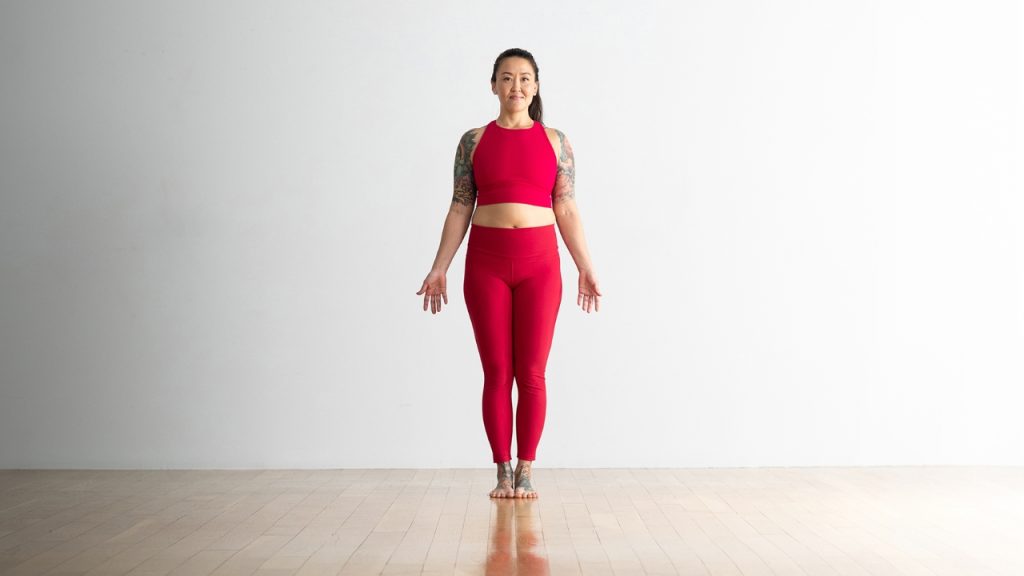
Mountain Pose may look simple, but it is one of the most important poses for spinal alignment. It teaches the body how to stack the head, shoulders, ribs, and pelvis in a neutral position.
Physically, Mountain Pose strengthens the muscles that support the spine, including the core, back extensors, and postural muscles around the shoulders and hips. Standing with even weight distribution through the feet helps correct imbalances that contribute to poor posture.
Mentally, this pose builds awareness. Many people discover how much they habitually slouch or shift weight unevenly only after practicing Tadasana.

“Good posture is not forced. It is learned through awareness and repetition.”
Practicing Mountain Pose regularly helps retrain the body to maintain proper alignment while standing, walking, and sitting.
Why it supports spine health
- Encourages neutral spinal alignment
- Strengthens postural muscles
- Improves body awareness
- Reduces habitual slouching
2. Cat-Cow Pose (Marjaryasana–Bitilasana)
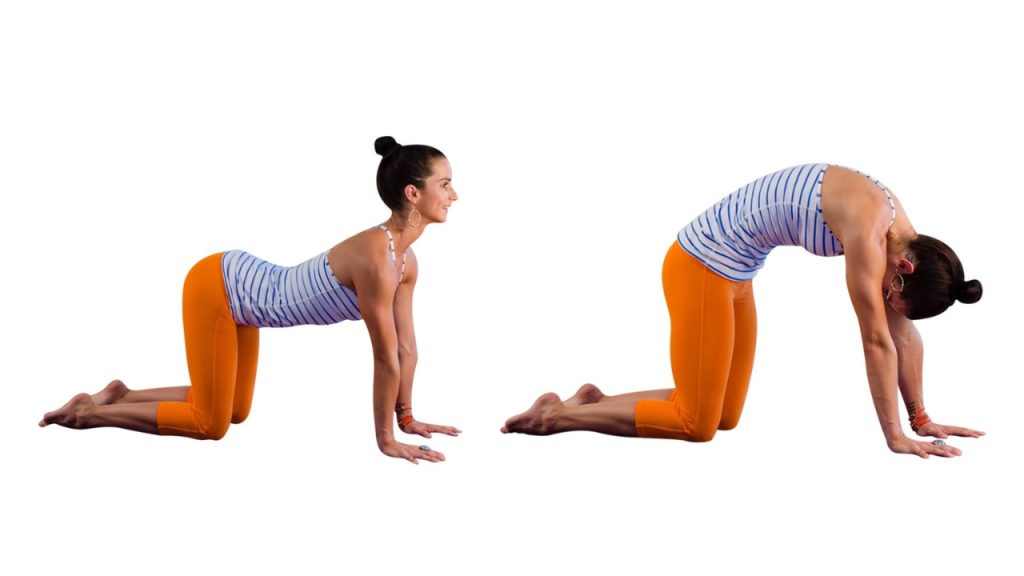
Cat-Cow is one of the most effective poses for improving spinal mobility and relieving stiffness. The gentle movement between flexion and extension nourishes the spine and surrounding tissues.
Physically, Cat-Cow mobilizes the entire spine, from the neck to the lower back. It stretches tight muscles, improves circulation to spinal discs, and encourages healthy movement patterns.
Mentally, the pose promotes mindful breathing and relaxation. Synchronizing movement with breath helps reduce tension that often accumulates in the back.

“The spine thrives on gentle, regular movement. Cat-Cow restores that natural rhythm.”
This pose is especially beneficial for people who spend long hours sitting or who experience morning stiffness.
Why it supports spine health

- Improves spinal flexibility
- Reduces stiffness and tension
- Encourages healthy movement patterns
- Supports mindful breathing
3. Downward-Facing Dog (Adho Mukha Svanasana)
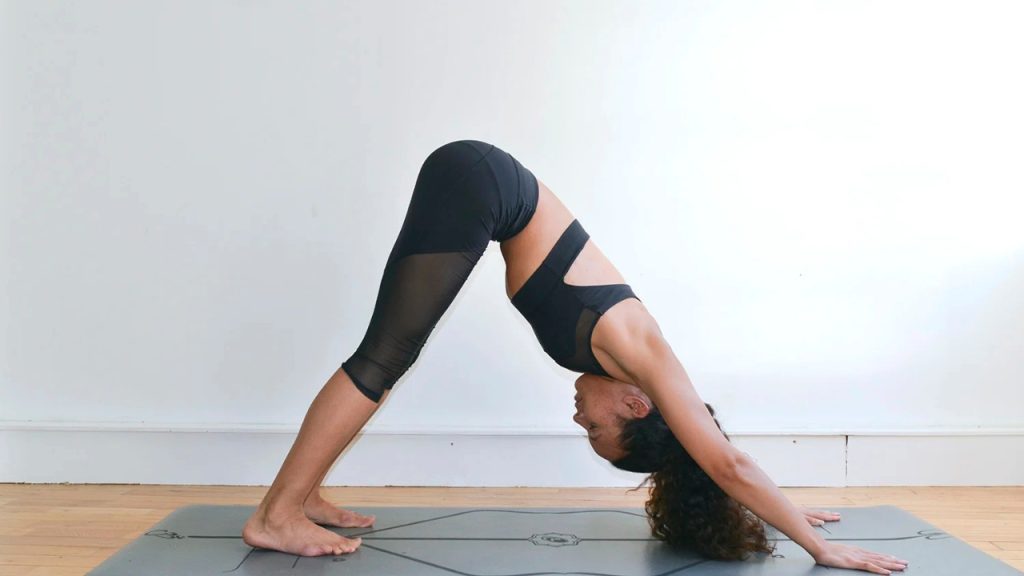
Downward-Facing Dog gently lengthens the spine while strengthening the muscles that support it. When practiced with proper alignment, it helps decompress the back without strain.
Physically, this pose stretches the spine, shoulders, hamstrings, and calves while strengthening the arms and core. Pressing evenly through the hands and feet teaches balanced weight distribution, which supports spinal stability.
Mentally, Downward Dog encourages steady breathing and focus. It can be both energizing and grounding, making it useful in many types of practice.

“Lengthening the spine does not mean forcing it. It means creating space through alignment and breath.”
Bending the knees slightly helps maintain spinal length, especially for beginners or those with tight hamstrings.
Why it supports spine health
- Lengthens and decompresses the spine
- Strengthens core and back support muscles
- Improves shoulder and hip alignment
- Encourages balanced posture
4. Cobra Pose (Bhujangasana)

Cobra Pose is a gentle backbend that strengthens the spine and counteracts the effects of prolonged sitting and forward bending.
Physically, Cobra Pose strengthens the muscles of the lower and middle back while opening the chest and shoulders. This helps reverse rounded posture and supports healthy spinal curves.
Mentally, backbends like Cobra can improve alertness and confidence. They encourage an open posture that supports deeper breathing.
“A strong spine is built not only by stretching, but by controlled extension.”
The key is lifting with the back muscles rather than pushing excessively into the hands.
Why it supports spine health
- Strengthens back muscles
- Improves spinal extension
- Counteracts slouching
- Supports chest and shoulder opening
5. Child’s Pose (Balasana)
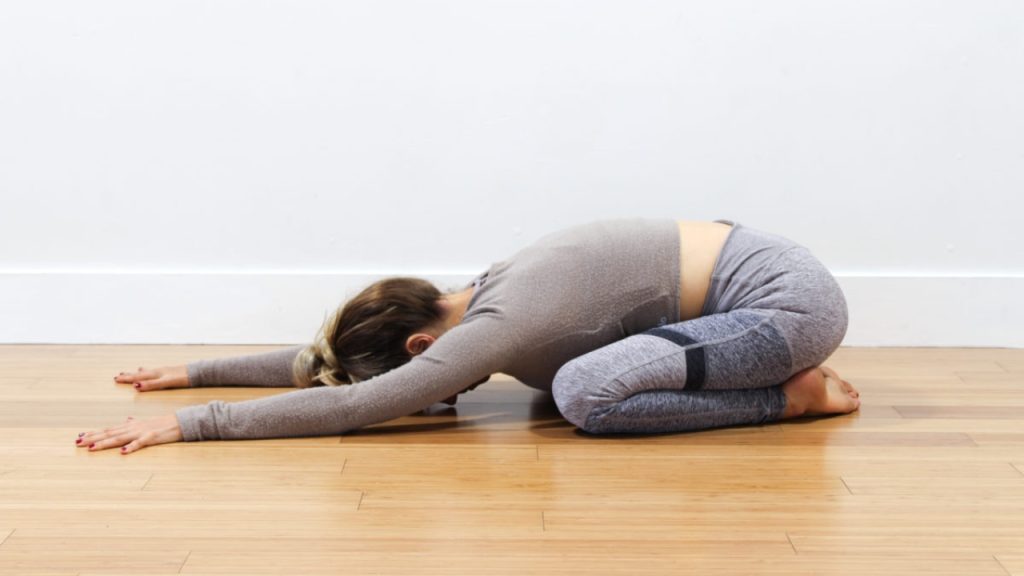
Child’s Pose provides gentle spinal stretching and deep relaxation. It allows the spine to lengthen naturally while reducing compression and tension.
Physically, this pose stretches the lower back, hips, and spine without effort. It is especially helpful after backbends or long periods of standing.
Mentally, Child’s Pose calms the nervous system. Relaxation plays a crucial role in spine health, as stress often leads to muscle tension and poor posture.
“Rest is an essential part of spinal health. The spine recovers when the body feels safe.”
This pose is accessible to most people and can be supported with cushions or blocks for comfort.
Why it supports spine health
- Gently stretches the spine
- Reduces muscular tension
- Encourages relaxation
- Supports recovery and alignment
How These Poses Work Together?
Practiced together, these five poses create a comprehensive approach to spine health:
- Mountain Pose builds alignment awareness
- Cat-Cow restores mobility
- Downward Dog lengthens and strengthens
- Cobra Pose builds back strength
- Child’s Pose promotes recovery and relaxation
This balance of effort and release supports both posture and long-term spinal resilience.
Tips for Practicing Yoga for Spine Health
- Focus on alignment rather than depth
- Move slowly and with control
- Use props to support comfort
- Breathe steadily throughout each pose
- Avoid pain or sharp sensations
“Consistency matters more than intensity when caring for the spine.”
Short, regular sessions are often more effective than occasional long practices.
Final Thoughts
Spine health is central to overall well-being. A healthy spine supports posture, movement, and comfort in daily life. Yoga offers a gentle yet powerful way to care for the spine through awareness, strength, and mobility.
These five poses address the spine from multiple angles, helping improve alignment, reduce tension, and support long-term posture. With regular practice, yoga can become a reliable tool for maintaining spinal health at every stage of life.
FAQs
Practicing three to five times per week is ideal for noticeable improvement.
Yes, when practiced gently. Consult a professional if pain is severe.
Yoga can significantly improve posture by strengthening and retraining muscles.
Many people notice reduced stiffness within a few weeks of consistent practice.





Leave a Comment