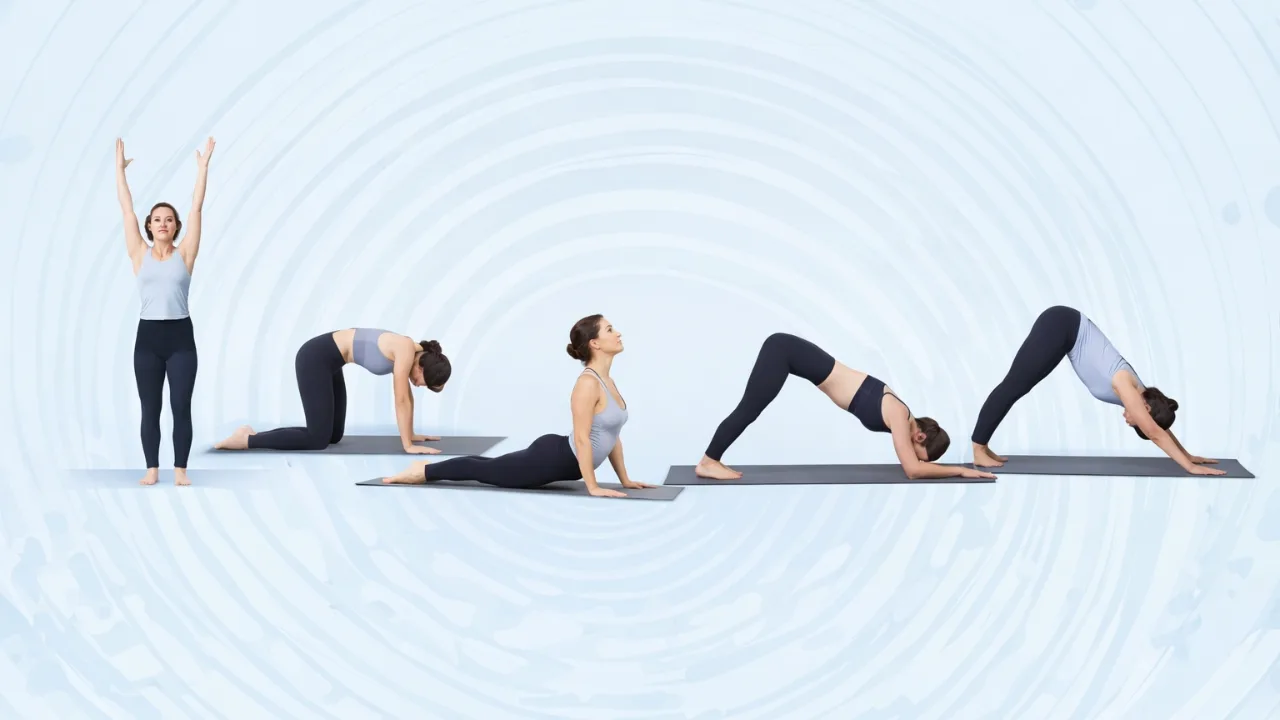
Maintaining good posture is more than just about looking confident it directly impacts your spine alignment, musculoskeletal health, and overall well-being. With long hours spent at desks or staring at screens, poor posture has become one of the most prevalent issues affecting people of all ages. Fortunately, yoga offers effective solutions to realign the spine and build strength in the muscles that support good posture.
In this article, we’ll explore five targeted yoga poses that not only improve posture but also reinforce proper spine alignment. These poses engage key muscle groups and help maintain a natural spinal curvature, which reduces discomfort and promotes healthier alignment over time. Whether you’re new to yoga or a seasoned practitioner, these poses can be easily integrated into any routine.
The Importance of Spine Alignment
The spine is the body’s central support system, and its health is critical for overall well-being. When the spine is misaligned, it can affect everything from muscle function to internal organ performance. Poor posture, particularly from prolonged sitting or slouching, leads to a forward head posture, rounded shoulders, and an exaggerated lower back curve. This misalignment can cause chronic pain, fatigue, and decreased mobility.
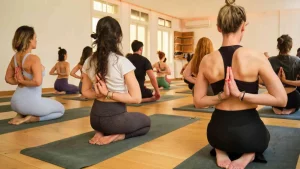
Yoga is a holistic practice that enhances both strength and flexibility. By integrating specific poses into your daily routine, you can reinforce proper spine alignment and improve your posture, reducing strain on your body.
5 Targeted Yoga Poses to Improve Posture and Spine Alignment
1. Mountain Pose (Tadasana)
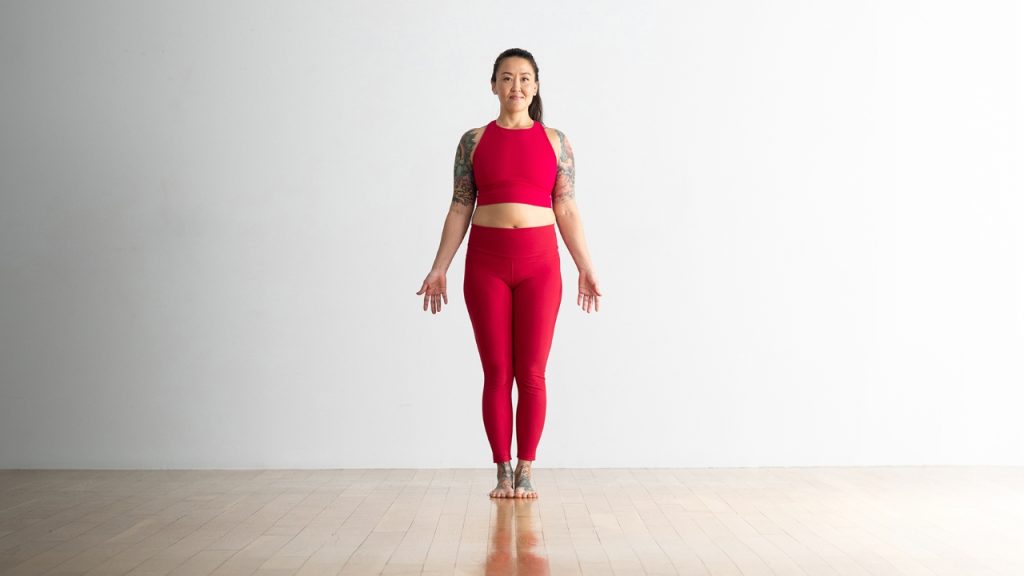
Despite its simplicity, Mountain Pose is a powerful pose that helps you stand tall and align your entire body. It teaches proper posture by engaging the core and spine.
How It Helps:
- Improves posture: Encourages alignment from head to toe.
- Strengthens the core and legs: Creates awareness of your body’s natural alignment.
- Supports spinal health: Establishes proper standing posture, which is key for maintaining a neutral spine throughout the day.
How to Do It:
- Stand with your feet together and weight evenly distributed across both feet.
- Engage your thighs, lift your kneecaps, and lengthen your spine.
- Reach your arms overhead, keeping them parallel with palms facing each other.
- Hold the pose for 30 seconds to 1 minute, focusing on maintaining an upright and relaxed posture.
2. Cat-Cow Pose (Marjaryasana-Bitilasana)
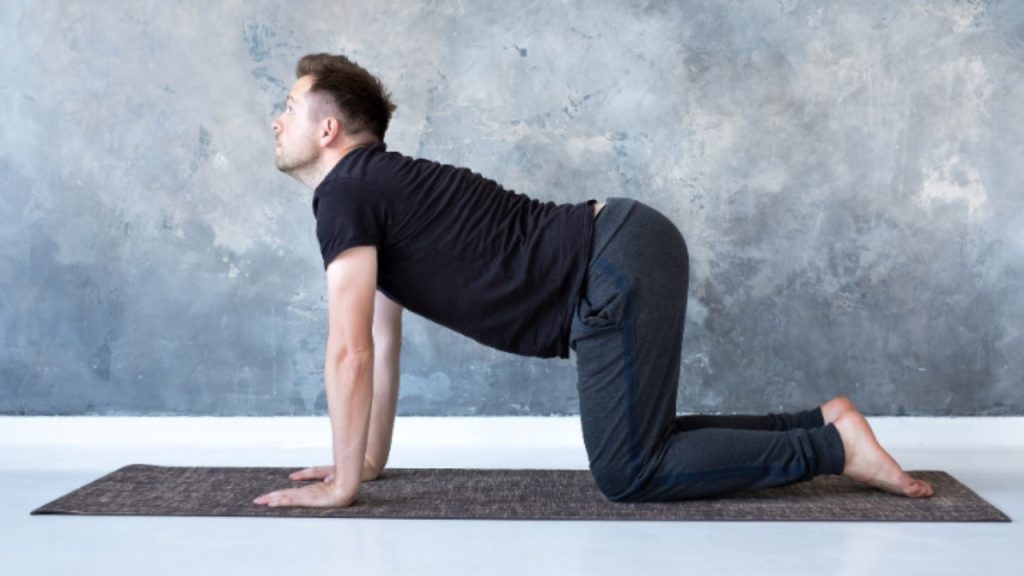
The Cat-Cow Pose is a dynamic flow that mobilizes the spine, helping to improve flexibility and alignment. It is excellent for warming up the back and encouraging proper spinal movement.

How It Helps:
- Increases spinal flexibility: Enhances the spine’s ability to move through both extension (Cow) and flexion (Cat).
- Relieves back tension: Helps release tightness in the back, neck, and shoulders.
- Aligns the spine: Promotes awareness of spinal curves and encourages proper movement.
How to Do It:
- Start in a Tabletop position with your wrists under your shoulders and knees under your hips.
- Inhale as you arch your back (Cow Pose), lifting your tailbone and chest toward the ceiling.
- Exhale as you round your back (Cat Pose), drawing your chin toward your chest and engaging your belly button.
- Repeat for 1 minute, flowing smoothly between the two poses with your breath.
3. Cobra Pose (Bhujangasana)
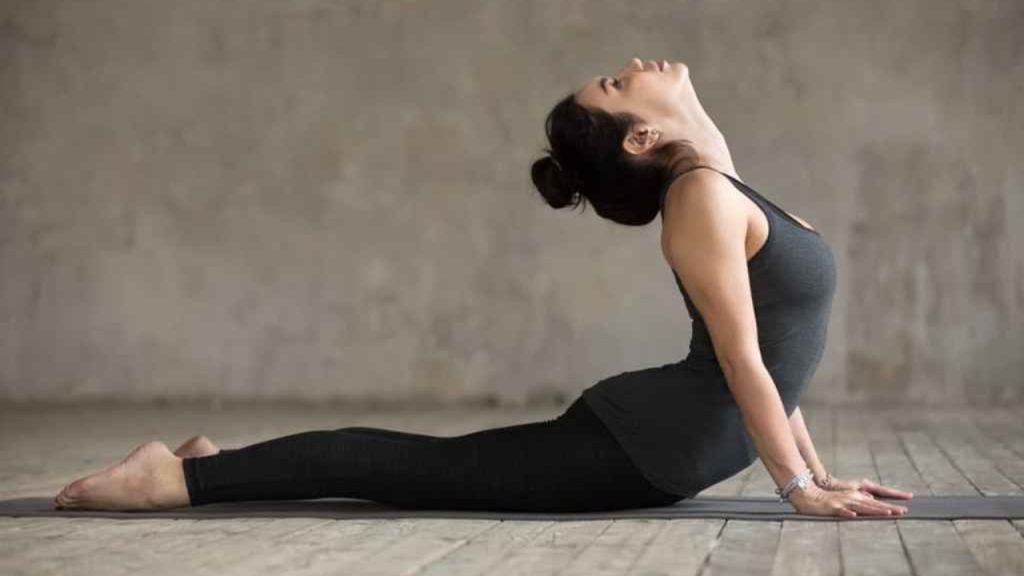
Cobra Pose is a backbend that opens the chest and strengthens the muscles of the lower back, which is critical for good posture and spine alignment. It helps reverse the effects of slouching and promotes a natural spinal curve.
How It Helps:
- Strengthens the lower back: Targets the muscles that support the spine.
- Opens the chest: Helps counteract rounded shoulders from sitting or hunching.
- Increases spinal mobility: Promotes flexibility in the spine and relieves stiffness.
How to Do It:
- Lie face down with your legs extended behind you, tops of your feet pressing into the floor.
- Place your hands under your shoulders, elbows close to your body.
- Inhale and gently lift your chest off the floor, straightening your arms. Keep your elbows slightly bent.
- Hold the pose for 15-30 seconds, making sure to avoid collapsing your lower back. Repeat 2-3 times.
4. Bridge Pose (Setu Bandhasana)
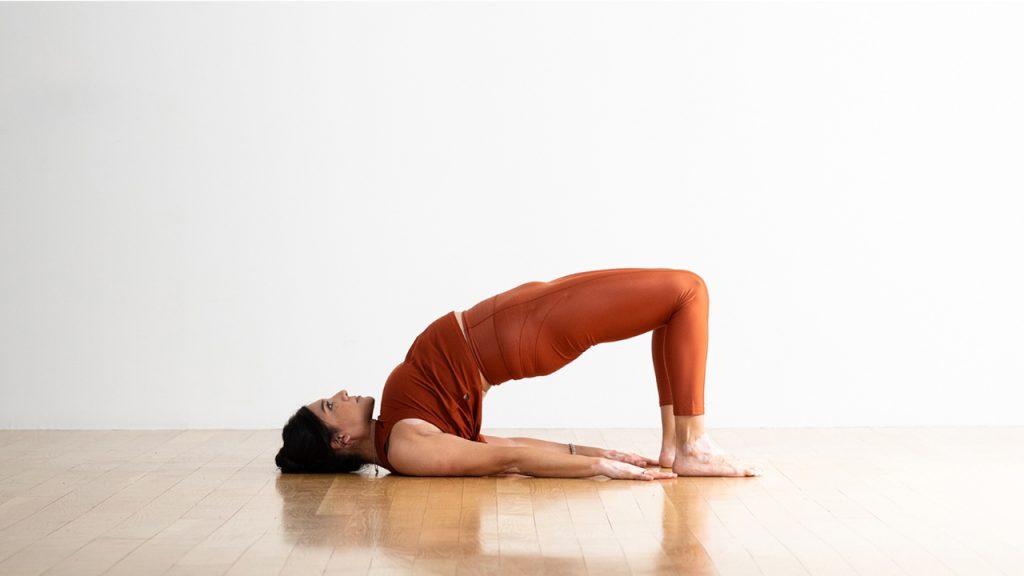
Bridge Pose is an excellent pose for strengthening the glutes, lower back, and core. It opens the chest and hips, providing relief from poor posture and back pain.
How It Helps:
- Strengthens the lower back: Activates muscles in the lower back and core to support spine alignment.
- Opens the chest and hips: Helps stretch the front of the body, improving posture.
- Aligns the spine: Engages the muscles that keep the spine in a neutral position.
How to Do It:
- Lie on your back with your knees bent and feet flat on the floor, hip-width apart.
- Press into your feet and lift your hips toward the ceiling, engaging your core and glutes.
- Interlace your hands under your back for support, pressing your arms into the floor.
- Hold for 30 seconds to 1 minute, then slowly lower your hips back down.
5. Downward-Facing Dog (Adho Mukha Svanasana)
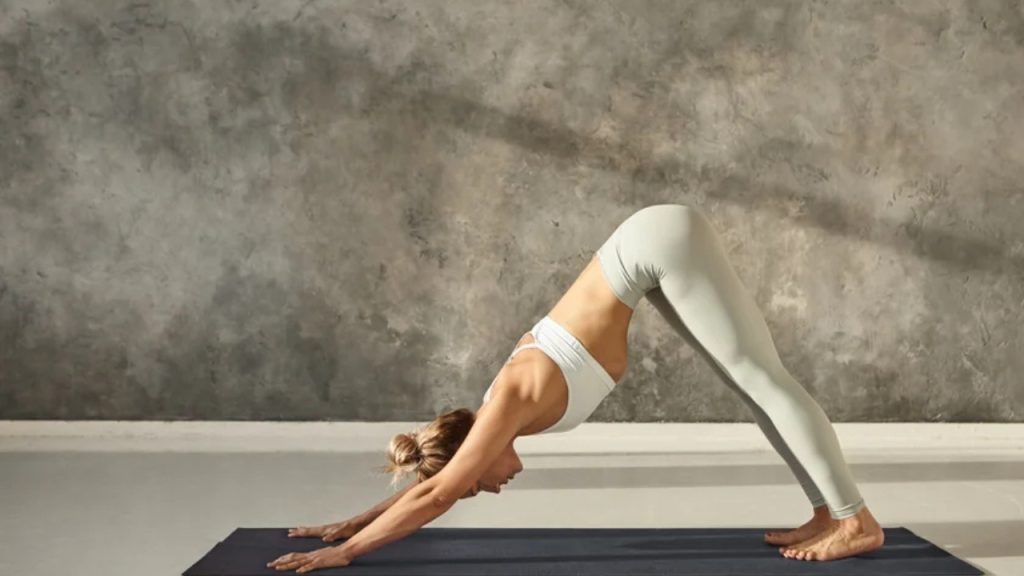
Downward-Facing Dog is one of the most effective full-body poses for improving posture. It elongates the spine, stretches the hamstrings, and strengthens the arms and shoulders.

How It Helps:
- Lengthens the spine: Helps decompress the spine, counteracting the effects of sitting.
- Strengthens shoulders and arms: Engages the muscles that support proper posture.
- Stretches the back and hamstrings: Relieves tension in the lower back and legs.
How to Do It:
- Start in a Tabletop position, with your hands directly under your shoulders and knees under your hips.
- Tuck your toes and lift your hips toward the ceiling, straightening your legs and forming an inverted “V” shape.
- Keep your arms straight and shoulders broad, pressing your heels toward the floor.
- Hold the pose for 30 seconds to 1 minute, breathing deeply and lengthening your spine.
Expert Quotes
Dr. Rachel Turner, a renowned yoga therapist, explains:
“Good posture isn’t just about looking confident; it’s about maintaining the health of your spine and muscles. Yoga helps bring awareness to your body and teaches you how to maintain that alignment throughout your daily life.”
Personal trainer Mike Harris highlights the role of yoga in strengthening the spine:

“Yoga poses like Bridge and Downward-Facing Dog not only improve posture but also help strengthen the muscles that support your spine. When done correctly, they can make a big difference in reducing chronic back pain.”
Conclusion: Enhancing Posture and Spine Health with Yoga
Incorporating these yoga poses into your daily routine can significantly improve your posture and spine alignment, helping to alleviate discomfort caused by poor posture, muscle imbalances, and a sedentary lifestyle. Whether you’re new to yoga or a seasoned practitioner, these poses can be adapted to suit your fitness level and provide lasting benefits.
Yoga not only helps in strengthening and stretching the muscles that support the spine but also fosters an increased awareness of how we hold our bodies throughout the day. By making yoga a regular part of your routine, you can help promote better posture, prevent pain, and reinforce proper alignment all contributing to a stronger, healthier body.

FAQs
Aim to practice these poses 3-4 times per week for best results. You can also incorporate them into your daily routine for added benefits.
No, you don’t need to be overly flexible to benefit from these poses. Start with modifications and work your way up as your flexibility improves.
Start with 30 seconds to 1 minute for each pose, gradually increasing the duration as you become more comfortable.

Yes, these poses can help alleviate lower back pain by strengthening and stretching the muscles that support the spine.
Yes, many of these poses can be modified. For example, use props like blocks or cushions for support, or hold poses for shorter periods of time as you build strength.










Leave a Comment